Neighborhood Guide
Neighborhood Guide
210,074 people live in Santa Rosa, where the median age is 41.5 and the average individual income is $51,497. Data provided by the U.S. Census Bureau.
Total Population
Median Age
Population Density Population Density This is the number of people per square mile in a neighborhood.
Average individual Income
Santa Rosa is where Wine Country actually lives day to day. Tourists pass through on their way to Healdsburg or Sonoma, but the people who teach, heal, build, and pour the wine in this region mostly go home to Santa Rosa. This guide covers what buyers should know before choosing a neighborhood here: the market, the housing stock, the insurance realities, and the everyday things that make one part of town a better fit than another.
With roughly 175,000 residents, Santa Rosa is the county seat and the largest city between San Francisco and Oregon. It sits on the Santa Rosa Plain, about 55 miles north of the Golden Gate Bridge, with the Mayacamas Mountains rising to the east and the coastal hills to the west.
Santa Rosa is a full-service city, not a resort town. You'll find major hospitals (Kaiser Permanente, Sutter, and Providence Santa Rosa Memorial), a large community college, two regional shopping centers, a commuter rail line, and neighborhoods that range from downtown Victorians to hillside estates and vineyard acreage. Many buyers choose it for that balance: Wine Country scenery and access, with the conveniences of a real city.
Santa Rosa doesn't behave like one market. It behaves like several, split by price point, part of town, and, increasingly, home insurance.
Citywide, the median home value sits around $710,000 to $750,000 and has stayed fairly steady year over year. Homes typically go pending in about 21 to 36 days, with entry-level properties moving fastest. Average rent is about $2,560 a month, which reflects how tight housing supply is across the North Bay.
Area of Santa Rosa | Approx. Average Price | Character |
|---|---|---|
Northeast | ~$1.08M | Hillside views, larger lots, luxury rebuilds (Fountaingrove, Hidden Valley) |
Southeast | ~$836K | Established family neighborhoods near parks (Bennett Valley, east side) |
Southwest | ~$701K | Entry point for first-time buyers, close to Downtown and 101 (Roseland, West End) |
Northwest | ~$698K | Many post-2017 rebuilds built to current fire codes (Coffey Park) |
Figures are approximate and shift with each season's sales. Ask for a current comparative market analysis before making decisions.
What this means for buyers and sellers: Under $1 million, it's generally a seller's market. Inventory is thin, and well-prepared homes often close at or near list price. Above roughly $1.5 to $2 million, buyers have more room to negotiate because inventory sits longer.
The insurance factor: This is the detail out-of-area buyers most often miss. Homes in designated high fire hazard zones, mostly hillside and wildland-adjacent areas, frequently require a California FAIR Plan policy paired with a "difference in conditions" (DIC) policy. That combination can add $5,000 to $15,000 or more per year compared with a flatland home insured through a standard carrier. Smart buyers get insurance quotes during the inspection period, not after, and factor that cost into their monthly budget alongside the mortgage.
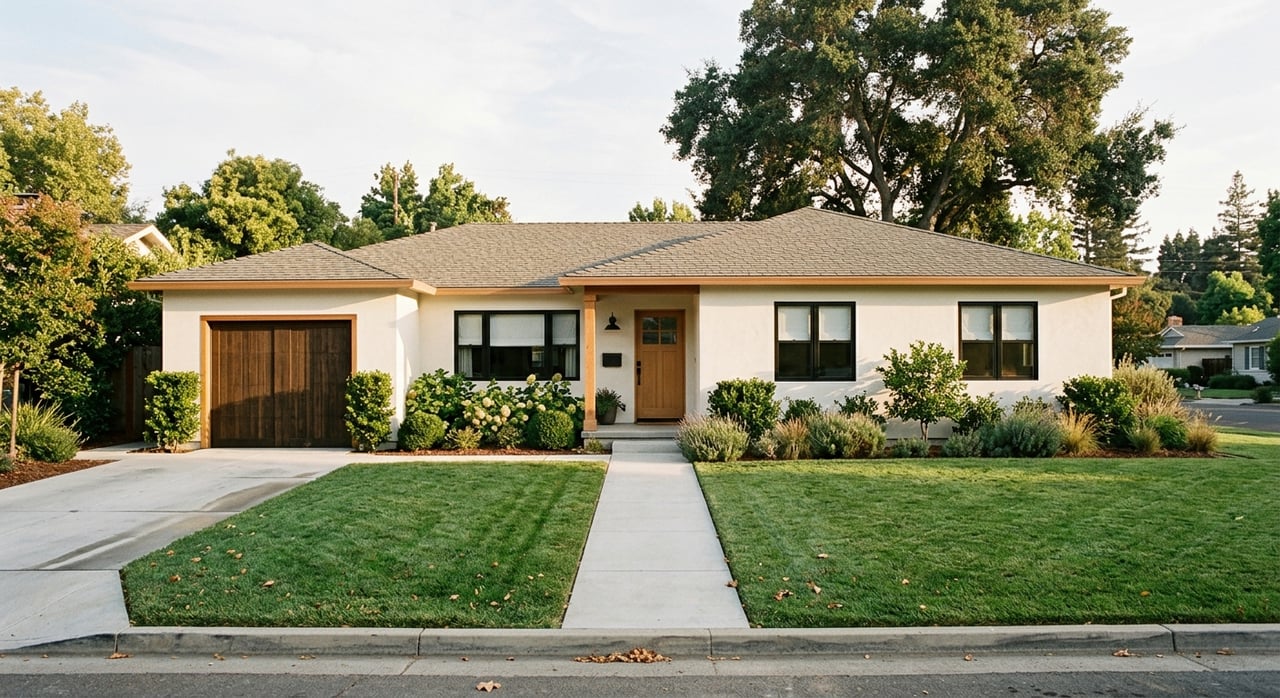
Single-family homes make up most of Santa Rosa's housing. Expect everything from 1950s and '60s ranch homes and suburban tract neighborhoods to early-1900s Craftsman bungalows near downtown.
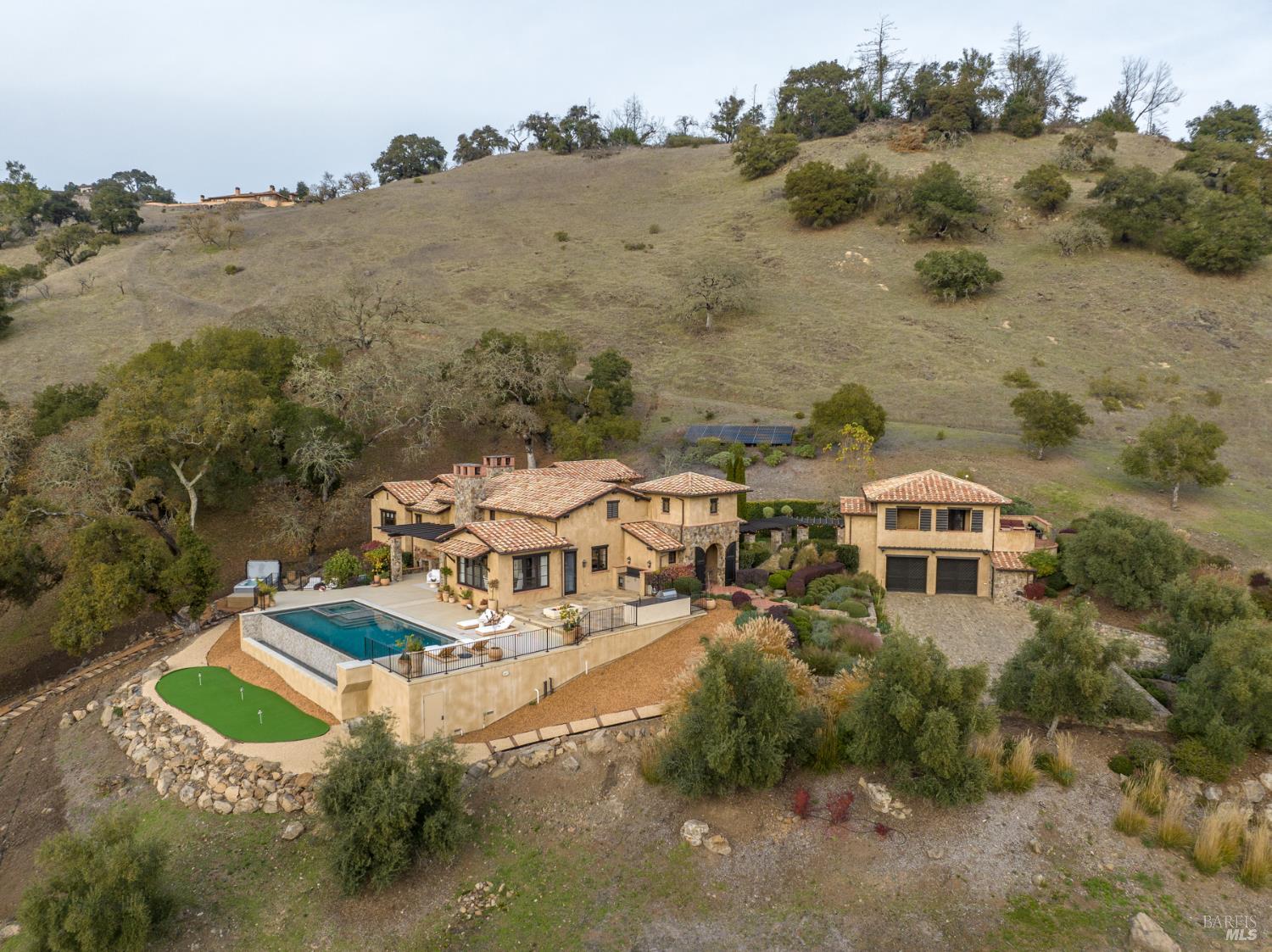
Luxury and custom homes cluster in the hills, especially in the northeast, where buyers trade higher insurance costs for views across the valley, larger lots, and modern construction. Many were rebuilt after the 2017 Tubbs Fire to stricter building standards.
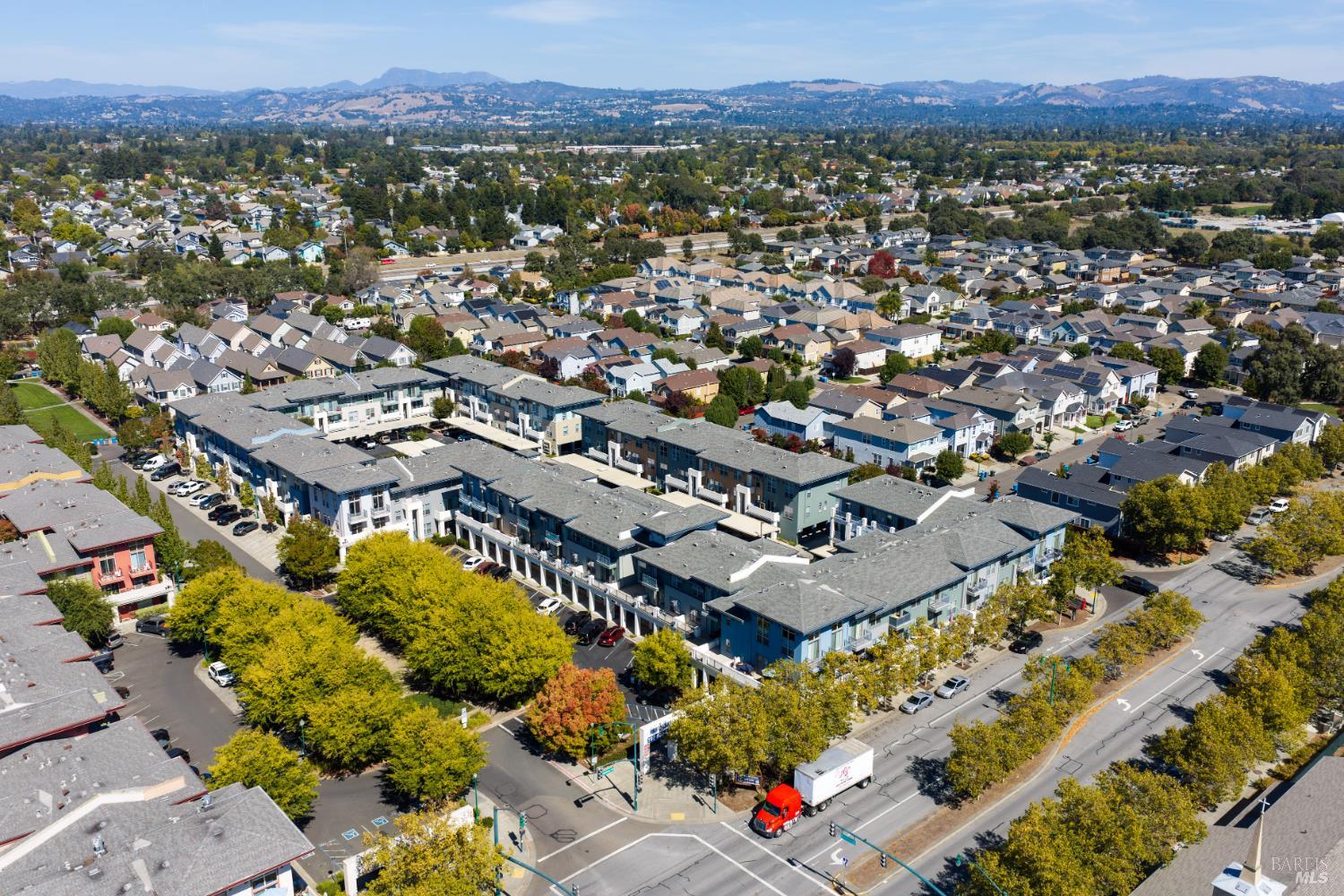
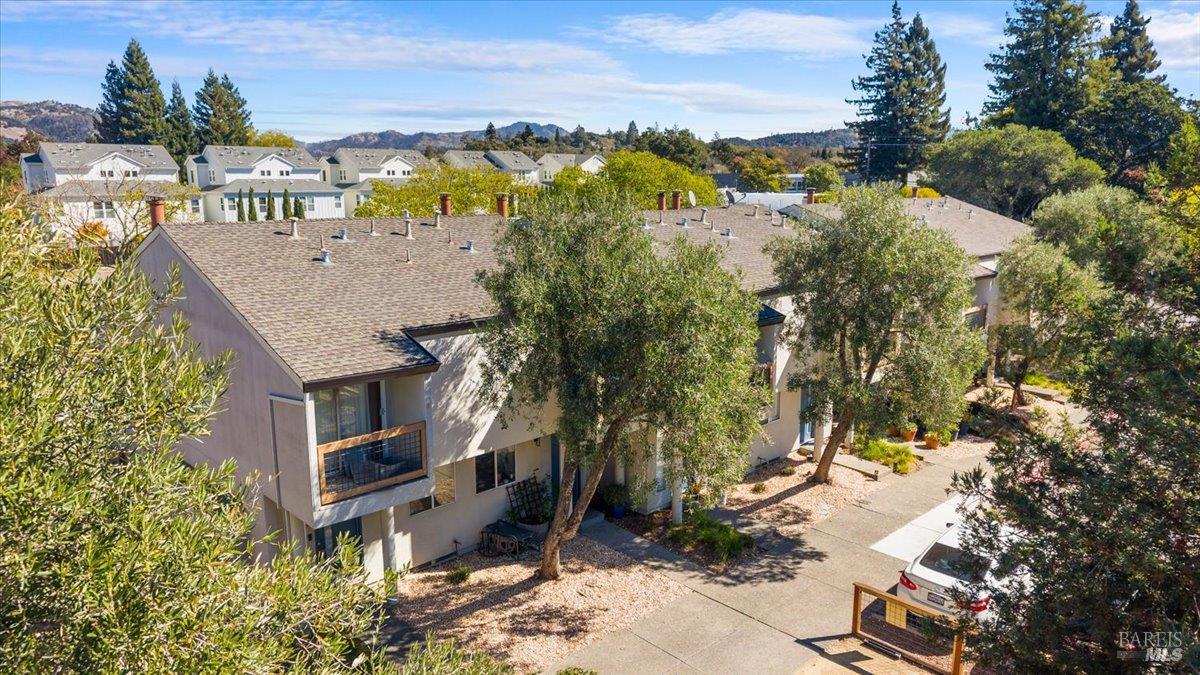
Condos and townhomes are concentrated near downtown, shopping centers, and transit routes. They suit first-time buyers, downsizers, and anyone who wants to skip yard work.
Planned communities and PUDs come with shared amenities like pools, clubhouses, or parks, governed by an HOA. Review HOA fees and reserve studies closely.
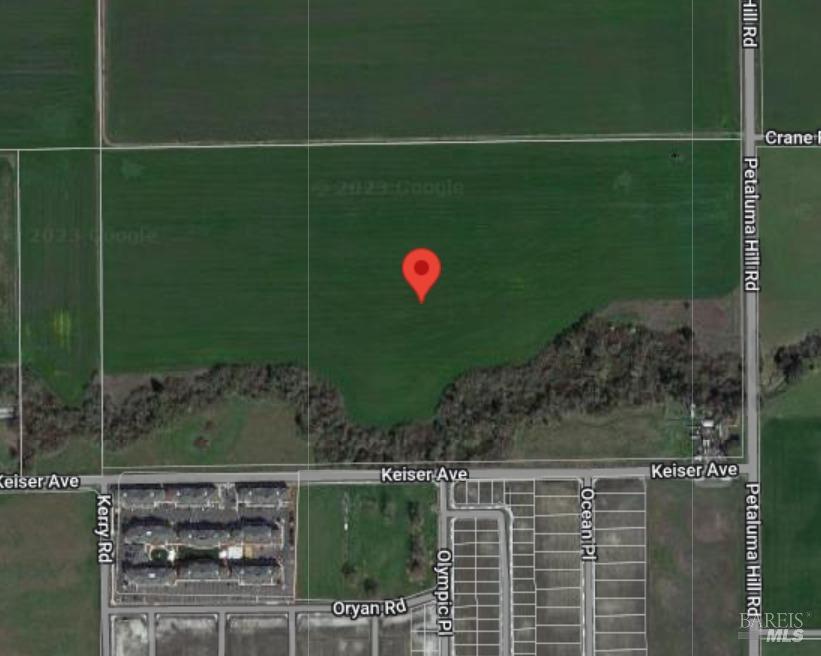
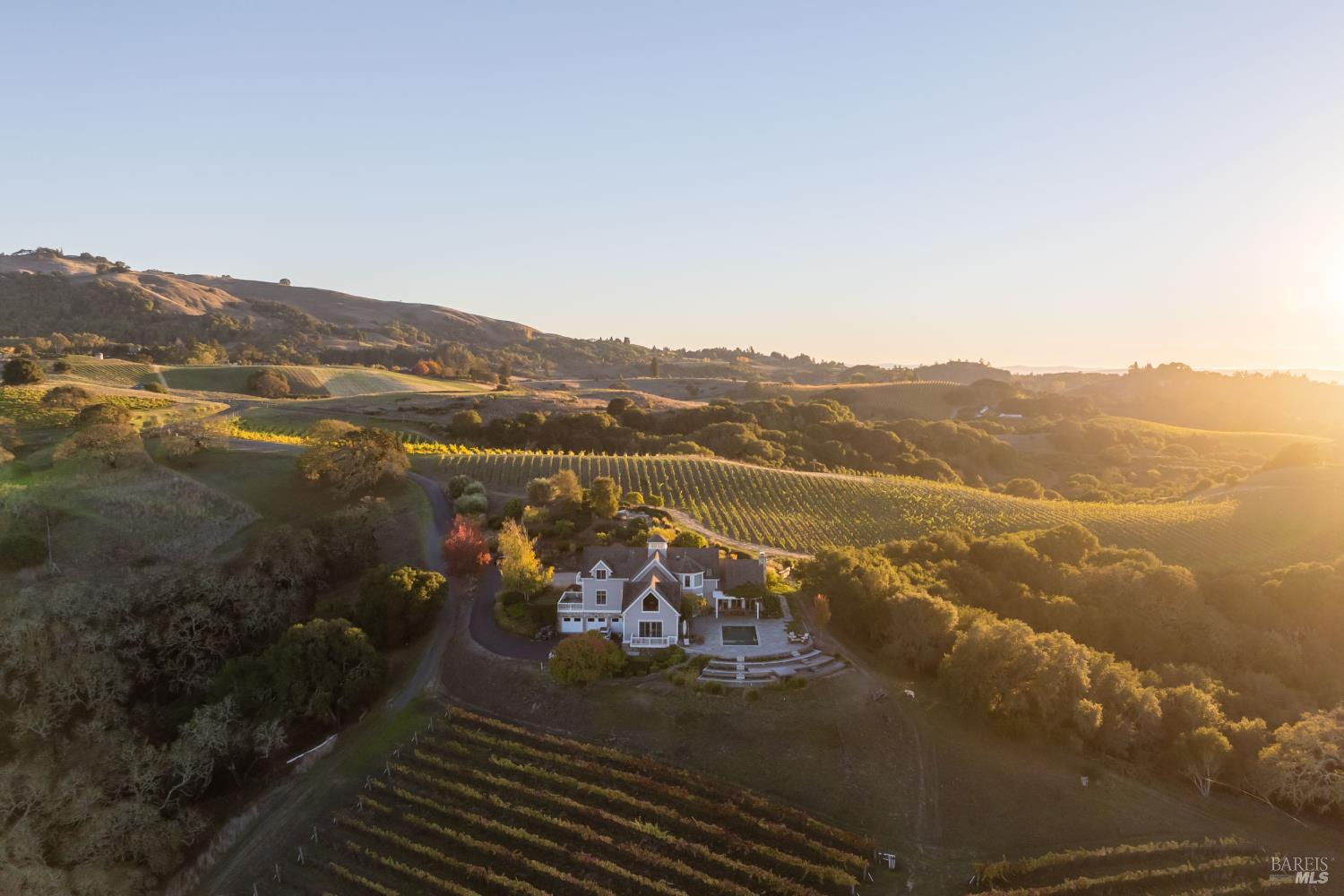
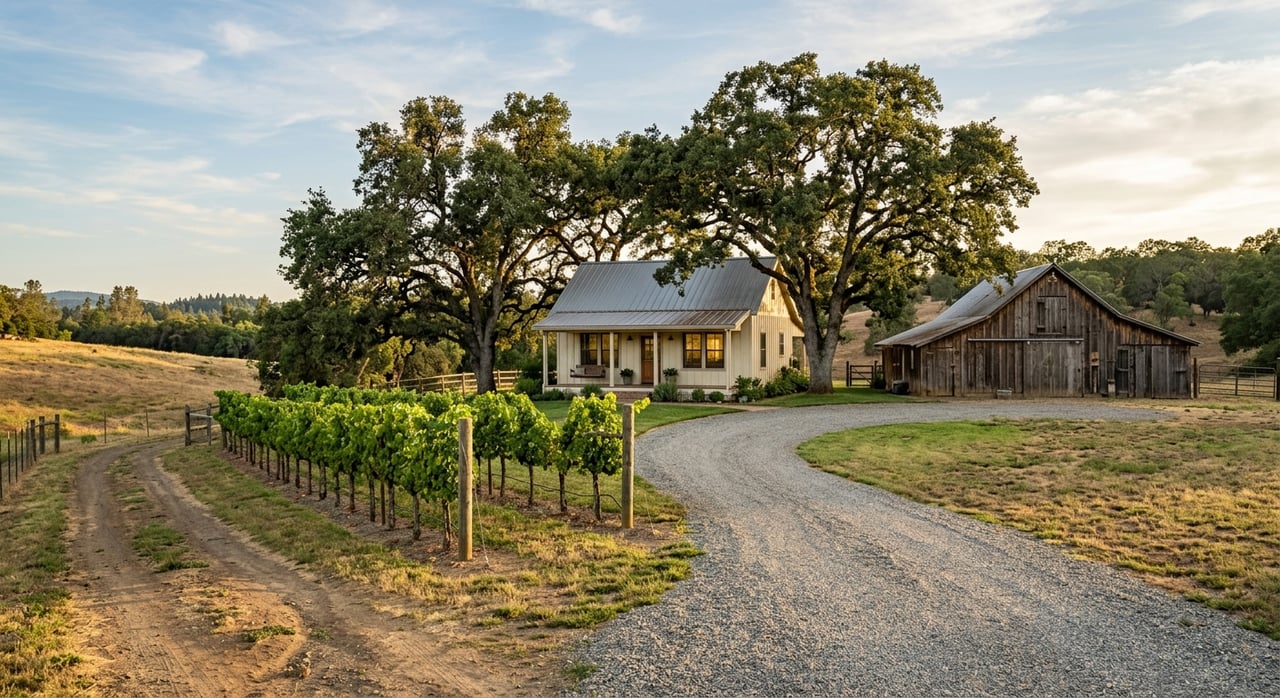
Vineyard, equestrian, and acreage properties sit on the outer edges of the city, offering room for small farms, horses, or a few rows of vines while staying minutes from city services.
Fountaingrove: Fountaingrove is a hillside area in north Santa Rosa known for upscale homes, sweeping valley views, and the Fountaingrove Golf & Athletic Club. Much of the neighborhood was rebuilt after 2017, so many homes are newer and built to modern codes. Buyers should still plan around higher insurance costs.
Bennett Valley: Bennett Valley, in southeast Santa Rosa, feels quieter and more suburban while staying close to town. It's popular with families for its schools, the Bennett Valley Golf Course, and easy access to Annadel's trailheads.
Rincon Valley: Rincon Valley, on the east side toward the base of the Mayacamas, is a longtime favorite with families. It offers residential streets, well-regarded schools, and Spring Lake and Howarth Park nearby.
Junior College (JC) Neighborhood: The JC Neighborhood surrounds Santa Rosa Junior College just north of downtown. It has tree-lined streets, Craftsman bungalows, and Tudor Revival homes, and you can walk to downtown. It's a strong pick if you want character and walkability.
Proctor Terrace and Grace Tract: Proctor Terrace and Grace Tract are established central neighborhoods near Montgomery Village. They're known for charming older architecture, walkable streets, and a strong neighborhood identity. These homes rarely sit on the market long.
Oakmont: Oakmont is a 55+ active adult community on Santa Rosa's east edge, where Highway 12 heads into the Valley of the Moon. Residents have golf courses, pools, community centers, and low-maintenance single-family homes and duplexes.
Coffey Park: Coffey Park is a northwest neighborhood largely rebuilt after the 2017 fires. Today it's a stretch of newer homes in a flatland setting, which often means easier insurance than hillside areas at a similar price.
Roseland: Roseland in southwest Santa Rosa offers some of the city's most accessible price points. It has a mix of established homes and newer developments, with quick access to downtown and Highway 101.
Railroad Square grew up around the Northwestern Pacific Railroad in the late 1800s and is listed on the National Register of Historic Places. Its stone depot and warehouse buildings were built from locally quarried basalt, and they survived the 1906 earthquake that leveled much of downtown. Today the district is filled with antique shops, cafés, restaurants, and the Hotel La Rosa, and it's also home to the SMART train's downtown station.
McDonald Avenue, the heart of the McDonald Historic District, is Santa Rosa's grandest residential street. It was developed by Mark McDonald in the late 19th century and is lined with preserved Queen Anne Victorians, Craftsman homes, and Colonial Revival homes. The street's look has drawn Hollywood: Alfred Hitchcock filmed Shadow of a Doubt in Santa Rosa, and the McDonald Mansion appeared in Disney's Pollyanna. Homes here rarely come up for sale, and buyers should be aware that historic district guidelines apply to exterior changes.
Downtown is the city's civic and social center, with restaurants, breweries, arts venues, government offices, and the Santa Rosa Plaza mall within a few blocks of each other. The SOFA (South of A Street) Arts District adds galleries, studios, and some of the city's most interesting dining.
At the center is Courthouse Square, named for the county courthouse that once stood there before the 1906 earthquake. For decades the square was split by a street. In 2017, the city reunified it into one continuous pedestrian plaza, which now hosts concerts, farmers' markets, outdoor movies, and holiday events. For buyers who want condo living or an older home within walking distance of it all, downtown and its surrounding neighborhoods are worth a close look.
Santa Rosa Junior College, founded in 1918, is one of California's oldest and largest community colleges and a real asset to the city. Its brick buildings and old oaks anchor the JC Neighborhood. SRJC offers more than 100 degree programs, transfer agreements with UC and CSU campuses including UC Davis and Sonoma State, and well-known career programs in nursing, culinary arts, fire technology, and viticulture. The college also runs the 365-acre Shone Farm in the Russian River Valley and a second campus in Petaluma.
For K–12, Santa Rosa City Schools operates the main high schools, including Santa Rosa High (home of the ArtQuest program), Montgomery High, Maria Carrillo High, and Piner High. Elementary and middle schools are served by several districts depending on the neighborhood, such as Rincon Valley Union, Bennett Valley Union, Bellevue Union, and Mark West Union. School assignment can change from one street to the next, so buyers with children should confirm boundaries by address.
Private and charter options include Cardinal Newman High School, Sonoma Academy, St. Eugene Cathedral School, Santa Rosa Charter School for the Arts, and Roseland Charter School.
On Santa Rosa's east side, three connected parks form a continuous greenbelt that most cities this size don't have. Each serves a different purpose.
Trione-Annadel State Park is the rugged one, with more than 5,000 acres of oak woodland, redwood groves, and volcanic rock, and over 40 miles of trails. It's one of Northern California's top spots for technical mountain biking. Hikers often head to Lake Ilsanjo, which is also known for bass and bluegill fishing.
Spring Lake Regional Park is centered on a reservoir with non-motorized boating, a summer swimming lagoon, campsites, and a paved loop around the lake that's popular with walkers, runners, and cyclists. The Environmental Discovery Center is great for kids.
Howarth Park is the city's family favorite. It has a miniature train, a carousel, a big playground, tennis and pickleball courts, and boat rentals on Lake Ralphine. Trails connect it directly to Spring Lake.
Park | Best For | Cost |
|---|---|---|
Trione-Annadel State Park | Hiking, mountain biking, trail running | State park day-use fee |
Spring Lake Regional Park | Paddling, swimming, camping | County day-use fee or Regional Parks pass |
Howarth Park | Families, picnics, kids' rides | Free entry; rides and rentals extra |
Living in Rincon Valley, Bennett Valley, or the east side puts these parks just a few minutes from home, which is a big reason those neighborhoods hold their value.
Santa Rosa sits between the Russian River Valley, Sonoma Valley, and Dry Creek Valley, so world-class tasting rooms are a short drive in almost any direction.
The city is also a craft beer destination. Russian River Brewing Company's downtown pub is home to Pliny the Elder, and its yearly release of Pliny the Younger draws lines down the block. Fogbelt Brewing pours coastal-style ales named after redwood trees, and Cooperage Brewing is known for experimental IPAs and sours.
For wine close to home, St. Francis Winery is known for its food-and-wine pairings and Zinfandel. Paradise Ridge has valley views and a sculpture garden. Hook & Ladder, founded by a former Santa Rosa fire captain, pours Russian River Pinot and Chardonnay, and D'Argenzio Winery near downtown pairs Italian-style wines with wood-fired pizza.
On the dining side, Spinster Sisters in the SOFA District serves seasonal small plates, Stark's Steak & Seafood is the go-to downtown steakhouse with a strong happy hour, and Bird & The Bottle offers creative American comfort food.
Two people left a lasting mark on Santa Rosa's identity: a plant breeder and a cartoonist.
Luther Burbank worked in Santa Rosa for more than 50 years and introduced over 800 plant varieties, including the Shasta daisy and the Santa Rosa plum, named for the city. His downtown home and gardens are a National Historic Landmark. The gardens are free to walk through, and guided tours of the home and greenhouse run seasonally.
Charles M. Schulz, creator of Peanuts, lived and drew in Santa Rosa for decades. The Charles M. Schulz Museum holds the world's largest collection of original Peanuts strips, along with a re-creation of his studio. Next door is Snoopy's Home Ice, the rink Schulz built in 1969, where you can still skate or eat at the Warm Puppy Café, where he had breakfast almost every day.
The Museum of Sonoma County, housed in a 1910 post office building, covers local history and contemporary art. The Luther Burbank Center for the Arts is the region's main venue for touring musicians, comedians, theater, and symphony performances.
Montgomery Village on the east side is an open-air, mid-century shopping center with tree-lined walkways, patio dining, a mix of national retailers and local boutiques, and summer music events. It's a neighborhood anchor for Proctor Terrace, Grace Tract, and the surrounding east-side neighborhoods.
Santa Rosa Plaza is the county's main indoor regional mall, located downtown next to Highway 101. It's anchored by Macy's, has dozens of specialty stores and garage parking, and is within walking distance of Railroad Square and Courthouse Square.
Highway 101 runs north–south through the middle of the city, connecting Santa Rosa to Petaluma, Marin, and San Francisco. Weekday peak hours, roughly 6:30 to 9 a.m. southbound and 4 to 6:30 p.m. northbound, can be slow. Highway 12 crosses the city east to west, linking Sebastopol and the coast to the Sonoma Valley and Napa.
The SMART train stops at two Santa Rosa stations, Downtown at Railroad Square and North near Guerneville Road, and runs south to the Larkspur Ferry Terminal. From there, the Golden Gate Ferry continues to the San Francisco Ferry Building. Golden Gate Transit runs express buses to the city, while CityBus and Sonoma County Transit handle local and regional routes.
Commute to San Francisco | Typical Time | Best For |
|---|---|---|
Driving via US-101 | 60–90+ minutes | Off-peak or flexible schedules |
SMART train + Larkspur ferry | ~1 hr 45 min – 2 hrs | A productive commute with Wi-Fi |
Golden Gate Transit express bus | ~80–110 minutes | Direct transit with no transfers |
Daily commuting to San Francisco is doable but long. Santa Rosa works best for buyers who commute a few days a week, work remotely, or work locally.
Santa Rosa has a Mediterranean climate. Summer highs usually reach the low to mid 80s, and evening fog from the Pacific, funneled through the Petaluma Gap, often brings nights down into the 50s. Winter highs are in the mid to upper 50s, with lows in the upper 30s. Frost happens, but a true freeze is rare.
Most of the year's 30-plus inches of rain falls between November and April, and summers are dry. That cool-evening pattern is part of why the surrounding vineyards do so well. It also means fire season matters, which is why buyers should look at defensible space, roofing, and insurance when touring homes.
Santa Rosa gives you Wine Country living with real-city practicality. Within a short drive you have the Russian River, the Sonoma Coast, three regional wine valleys, and thousands of acres of parkland. You also have major hospitals, a respected community college, two shopping centers, and a rail connection toward San Francisco. Compared with Marin or the inner Bay Area, your budget generally buys more square footage and outdoor space.
The neighborhoods give buyers real choices. Fountaingrove and Hidden Valley offer views and newer homes. McDonald Avenue, the JC Neighborhood, and Proctor Terrace offer historic character and walkability. Bennett Valley and Rincon Valley offer an established family feel near parks. Coffey Park and Roseland are approachable entry points, and Oakmont is a dedicated 55+ community.
There are trade-offs to weigh honestly. Fire risk and insurance costs vary widely by location, so research a property's fire hazard zone and get insurance quotes early. Overall, living costs are lower than in San Francisco but still above the national average. Buyers who plan for these factors from the start tend to find excellent long-term value here.
Ashley McSweeney was born and raised in Sonoma and Marin Counties, so she knows Santa Rosa from the inside: which streets hold their value, how insurance can change a home's true cost, and which neighborhoods match each buyer's life. Recognized as a Top Real Estate Agent in Santa Rosa and a Top Individual Agent in Keller Williams' Northern California Hawaii Region, and a member of the Agent Leadership Committee, Ashley is known for being straightforward and honest with her clients and for staying with them through every step of the process. Whether you're buying your first home, relocating to Sonoma County, or selling a home with a lifetime of memories, call Ashley at (415) 250-7411, email [email protected], or visit her office at 3333 Mendocino Ave, Suite 100, Santa Rosa, CA 95403. California DRE #02052276.
There's plenty to do around Santa Rosa, including shopping, dining, nightlife, parks, and more. Data provided by Walk Score and Yelp.
Explore popular things to do in the area, including Walgreens, Posy by Juddie, and Vintage Coffee.
| Name | Category | Distance | Reviews |
Ratings by
Yelp
|
|---|---|---|---|---|
| Dining · $$ | 0.35 miles | 167 reviews | 1.5/5 stars | |
| Dining | 0.68 miles | 0 reviews | 0/5 stars | |
| Dining | 0.74 miles | 0 reviews | 0/5 stars | |
| Shopping | 0.26 miles | 0 reviews | 0/5 stars | |
| Shopping | 0.41 miles | 49 reviews | 4.8/5 stars | |
| Active | 0.28 miles | 0 reviews | 0/5 stars | |
| Active | 0.56 miles | 0 reviews | 0/5 stars | |
| Active | 0.72 miles | 0 reviews | 0/5 stars | |
| Active | 0.76 miles | 0 reviews | 0/5 stars | |
| Beauty | 0.38 miles | 0 reviews | 0/5 stars | |
| Beauty | 0.41 miles | 22 reviews | 4/5 stars | |
| Beauty | 0.42 miles | 0 reviews | 0/5 stars | |
| Beauty | 0.43 miles | 0 reviews | 0/5 stars | |
| Beauty | 0.43 miles | 7 reviews | 4.7/5 stars | |
| Beauty | 0.44 miles | 0 reviews | 0/5 stars | |
| Beauty | 0.44 miles | 0 reviews | 0/5 stars | |
| Beauty | 0.45 miles | 0 reviews | 0/5 stars | |
| Beauty | 0.45 miles | 38 reviews | 4.9/5 stars | |
| Beauty | 0.6 miles | 0 reviews | 0/5 stars | |
| Beauty | 0.6 miles | 0 reviews | 0/5 stars | |
| Beauty | 0.6 miles | 0 reviews | 0/5 stars | |
| Beauty | 0.6 miles | 3 reviews | 5/5 stars | |
| Beauty | 0.76 miles | 0 reviews | 0/5 stars | |
| Beauty | 0.91 miles | 0 reviews | 0/5 stars | |
|
|
||||
|
|
||||
|
|
||||
|
|
||||
|
|
||||
|
|
Santa Rosa has 80,182 households, with an average household size of 2.5433333333333334. Data provided by the U.S. Census Bureau. Here’s what the people living in Santa Rosa do for work — and how long it takes them to get there. Data provided by the U.S. Census Bureau. 210,074 people call Santa Rosa home. The population density is 1,829 and the largest age group is Data provided by the U.S. Census Bureau.
Total Population
Population Density Population Density This is the number of people per square mile in a neighborhood.
Median Age
Men vs Women
Population by Age Group
0-9 Years
10-17 Years
18-24 Years
25-64 Years
65-74 Years
75+ Years
Education Level
Total Households
Average Household Size
Average individual Income
Households with Children
With Children:
Without Children:
Marital Status
Blue vs White Collar Workers
Blue Collar:
White Collar:
October 8, 2026
November 19, 2026
November 12, 2026
November 12, 2026
October 15, 2026
November 5, 2026
October 8, 2026
October 29, 2026
October 29, 2026
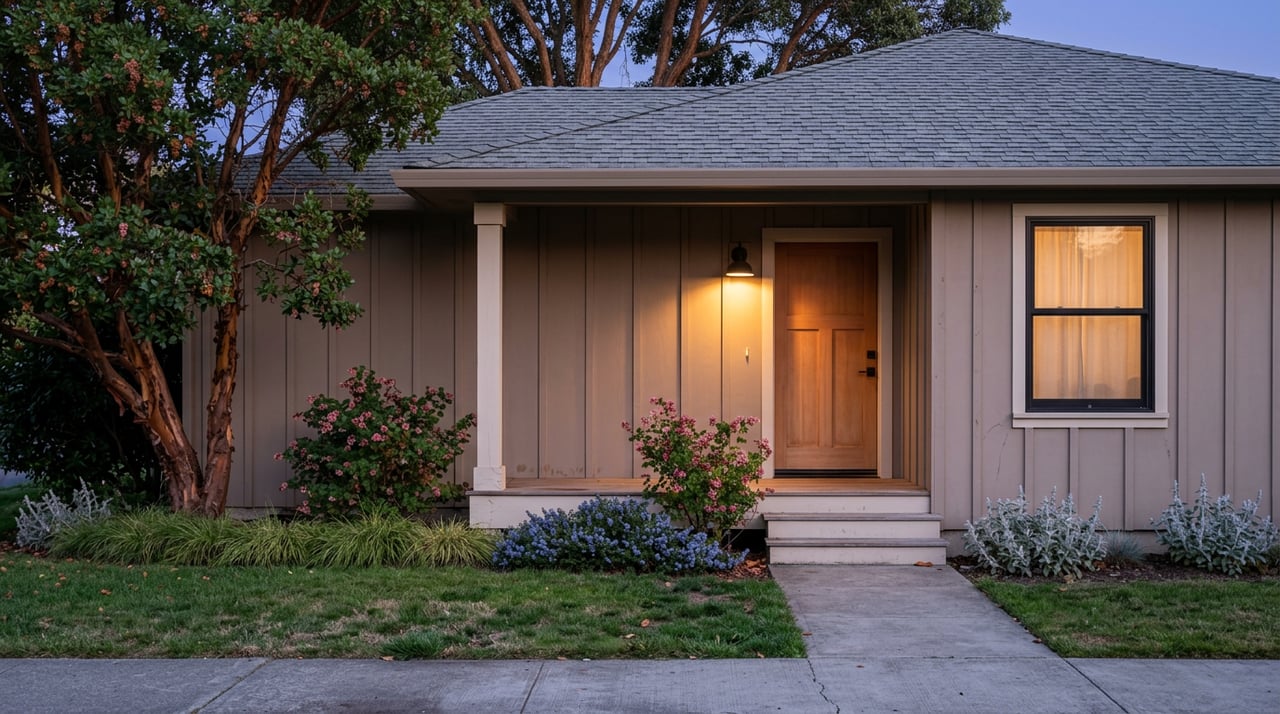
August 27, 2026
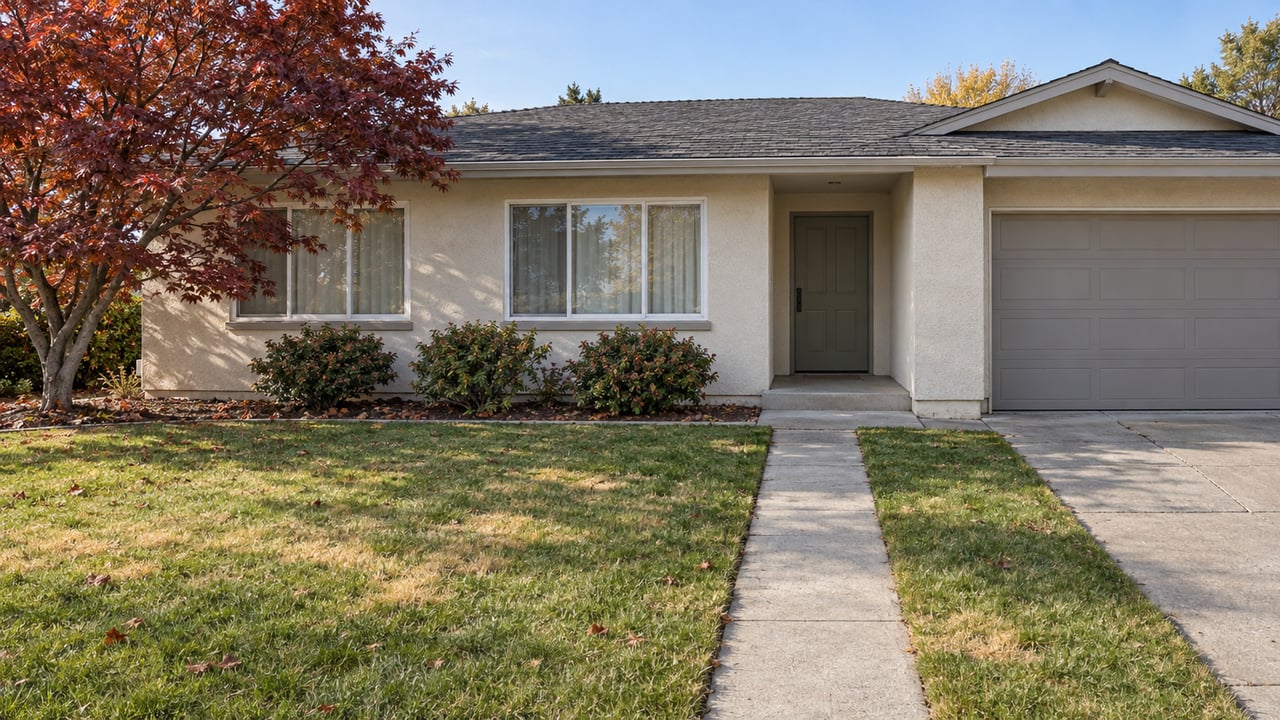
October 22, 2026
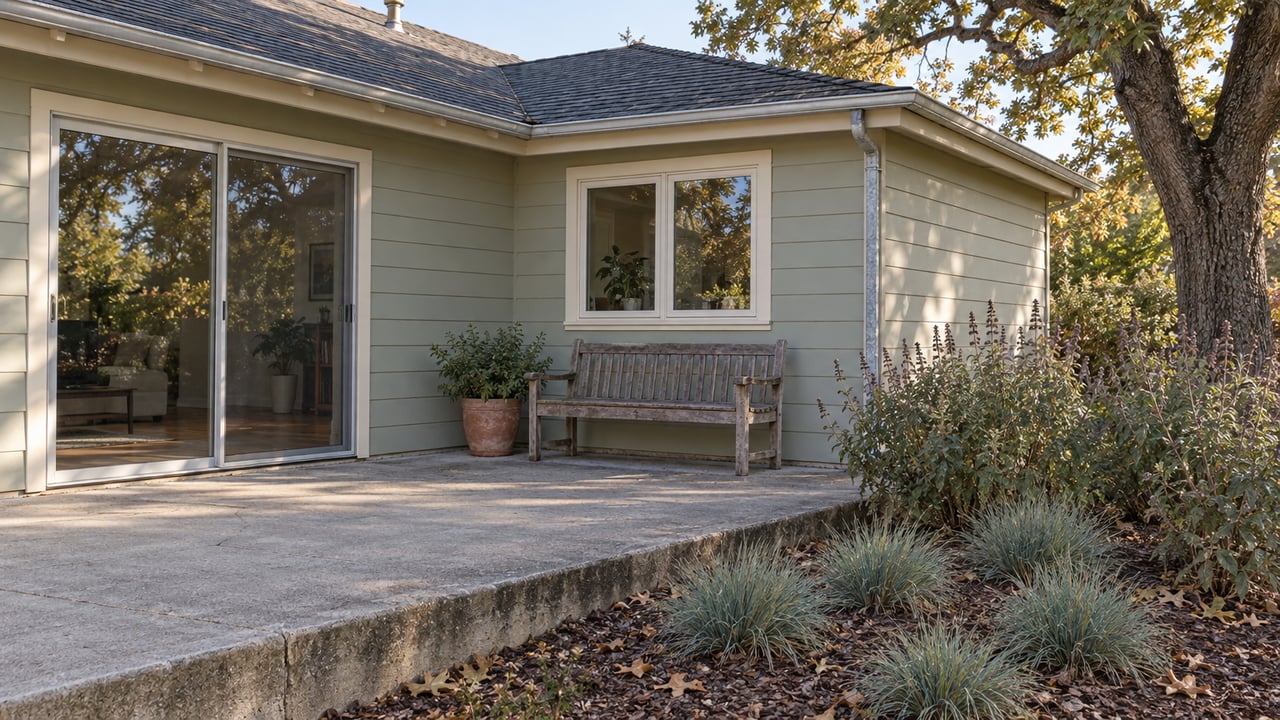
October 22, 2026
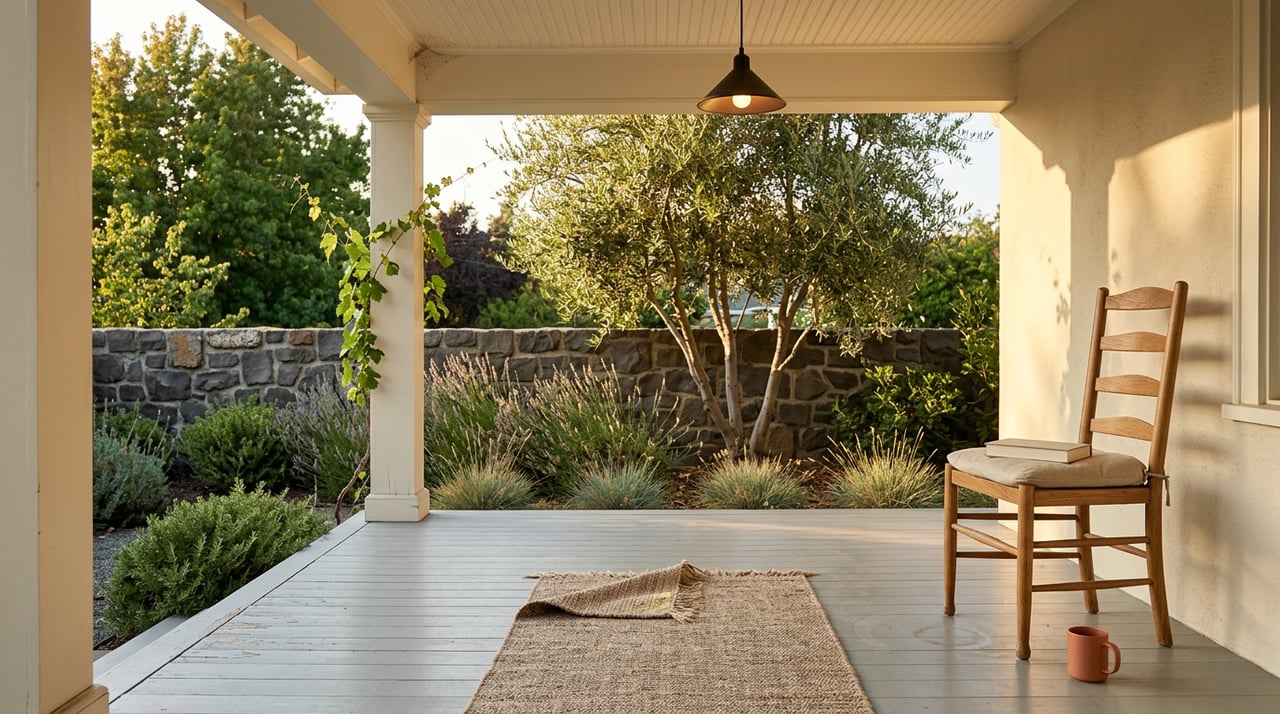
August 6, 2026
September 10, 2026
October 1, 2026
September 17, 2026
September 3, 2026
September 17, 2026
September 24, 2026
August 13, 2026
August 13, 2026
October 8, 2026
August 13, 2026
August 20, 2026
August 13, 2026
August 13, 2026
June 4, 2026
June 11, 2026
August 6, 2026
May 28, 2026
July 9, 2026
July 23, 2026
July 2, 2026
July 16, 2026
June 25, 2026
June 18, 2026
May 7, 2026
April 16, 2026

May 14, 2026
April 23, 2026

March 26, 2026
May 21, 2026
April 2, 2026

March 24, 2026
March 12, 2026

March 26, 2026

April 9, 2026
February 26, 2026
March 5, 2026
February 19, 2026
Get assistance in determining current property value, crafting a competitive offer, writing and negotiating a contract, and much more. Contact me today.