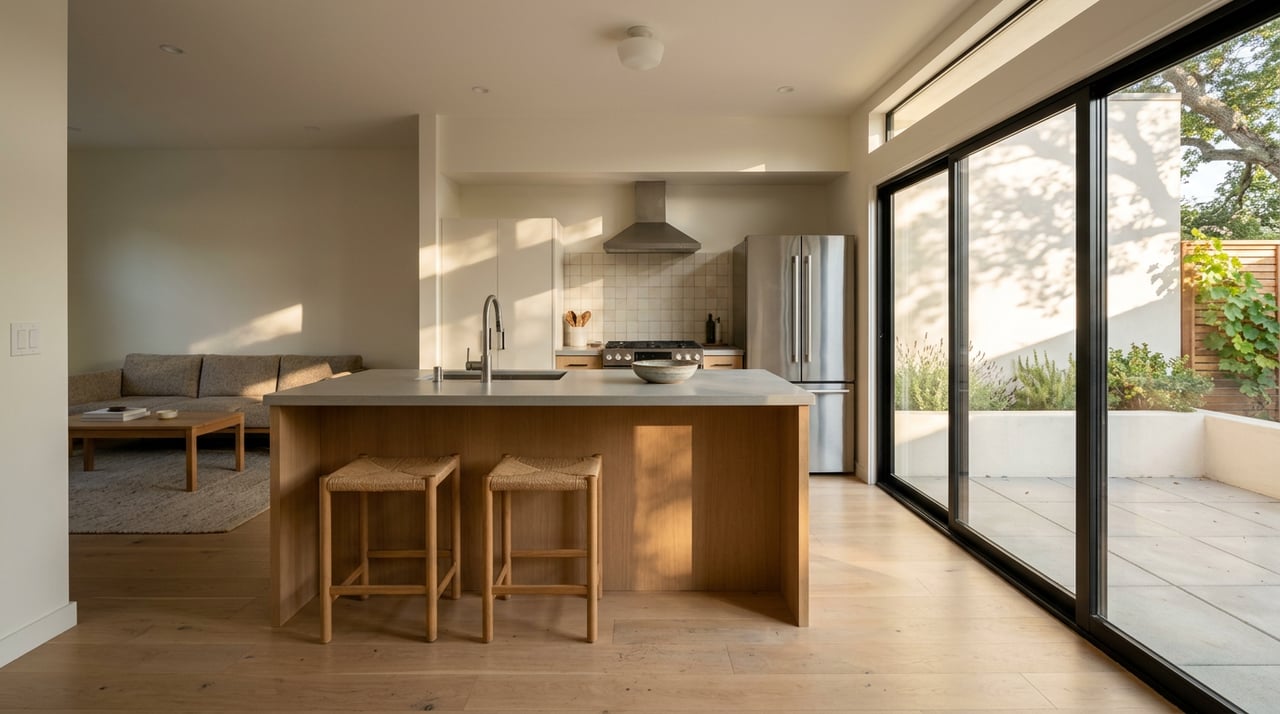
What It’s Like To Live In Santa Rosa
March 5, 2026
March 5, 2026
Thinking about a move to Santa Rosa but wondering what daily life actually feels like here? You want good neighborhoods, realistic costs, and a sense of how you’ll spend your weekends. This guide gives you a clear picture of housing, commutes, parks and culture, plus practical tips on wildfire readiness. You’ll walk away with a grounded overview and next steps if you decide Santa Rosa fits your goals. Let’s dive in.
Santa Rosa is Sonoma County’s largest city with about 177,524 residents and a mix of ages and backgrounds. The median household income is roughly $99,060, and the median owner-occupied home value is about $713,900, based on the 2020–2024 American Community Survey. These are helpful context numbers rather than current market prices. You can verify current demographics and commute stats through the U.S. Census QuickFacts for the city of Santa Rosa.
Santa Rosa has distinct pockets that fit different lifestyles. Here is how they feel on the ground.
If you want a walkable, urban vibe with cafes, boutiques, and nightlife, start here. Historic brick buildings, galleries, and a growing set of mid-rise apartments and condos give this area energy. The compact core around Historic Railroad Square also connects to the SMART rail line, which makes car-light living more realistic.
These curving hilltop streets offer panoramic views and a mix of newer and custom homes. You’ll find larger lots, golf-course adjacency, and upgraded finishes that tend to attract professionals and buyers who prioritize space and scenery. Parts of Fountaingrove were affected by the 2017 Tubbs Fire and have seen substantial rebuilding, which influences construction age and resilience features.
Coffey Park symbolizes the city’s recovery after 2017. Many homes here were rebuilt, and the area remains a working-class, family neighborhood with an active community spirit. The housing stock is newer due to post-fire construction, and buyers often ask about permits, timelines, and resilience upgrades when comparing homes.
Oakmont is a large, established 55+ community with golf, clubs, and organized activities. It appeals to retirees who want built-in programming, low-maintenance living, and scenic surroundings without sacrificing access to city amenities.
These suburban pockets offer a mix of older bungalows, mid-century ranches, and classic subdivisions near parks and schools. Roseland and South Park have long-standing working-class roots and diverse communities. Rincon Valley and parts of southwest Santa Rosa draw households looking for neighborhood parks and familiar suburban layouts.
Across the city you’ll see: Victorian and early 20th-century homes near older cores, Craftsman bungalows, mid-century ranches, 1980s–2000s tract homes, and newer hillside customs in areas such as Fountaingrove and Montecito Heights. Citywide values often fall in the low-to-mid $600,000 to $800,000 band, although neighborhood medians vary. Remember that listing, sold, and “typical value” metrics measure different things. When you are ready, ask for a current MLS snapshot for your target streets.
Outdoor access is a daily advantage here. Spring Lake Regional Park offers trails, a swimming lagoon, boating, and family-friendly loop hikes. The Joe Rodota Trail is a paved path that links Santa Rosa to Sebastopol, popular for biking and commuting as well as weekend strolls. You will also hear locals talk about Trione-Annadel State Park’s singletrack and the seasonal fun at Howarth Park inside city limits.
You are in the heart of wine country, so tasting rooms and vineyard drives are close. Families and comic fans love the Charles M. Schulz Museum for rotating exhibits and programs. The Luther Burbank Home & Gardens and small galleries round out the cultural scene, while downtown and Railroad Square give you breweries, coffee shops, and grab-and-go options for a laid-back weekend.
Highway 101 is the city’s main spine. Within Santa Rosa, typical commute times average about 22.9 minutes, though cross-county drives can vary depending on time of day and destination. Many residents work locally in healthcare, education, and public-sector roles, which keeps commutes reasonable for a large share of households.
SMART, the Sonoma-Marin Area Rail Transit, serves Santa Rosa with stations including Railroad Square and Santa Rosa North. It connects south into Marin County, with park-and-ride options and bus links. Frequency and station access continue to improve, but SMART is not a one-seat ride into San Francisco. Regional buses through Golden Gate Transit help some commuters pair bus or train trips with ferry service.
Charles M. Schulz – Sonoma County Airport (STS) sits just northwest of town. You will find convenient nonstop flights to several western hubs, and the airport has expanded service in recent years. Southwest announced STS service beginning April 2026. Check current routes and carriers on the STS destinations page.
Santa Rosa City Schools operates the area’s primary public high schools, including Maria Carrillo, Montgomery, Piner, Santa Rosa High, and Elsie Allen. Attendance boundaries and performance information live on district and school pages, which are the best sources for accurate, current details. Santa Rosa Junior College is a major local institution with multiple campuses and extensive community programming, and many residents value proximity to its classes and events.
Healthcare, education, public administration, and precision-test manufacturing anchor the daytime economy. Top employers include the County of Sonoma, Kaiser Permanente’s Santa Rosa Medical Center, Santa Rosa Junior College, Providence/Santa Rosa Memorial Hospital, Keysight/Agilent, and Santa Rosa City Schools. You can see employer data in the city’s Annual Comprehensive Financial Report under principal employers. Review the latest table in the City of Santa Rosa ACFR for context.
Wildfire safety is part of living in the North Bay, and Santa Rosa has learned hard lessons since the 2017 Tubbs Fire. Many homes in Coffey Park and Fountaingrove have been rebuilt and now incorporate modern codes and mitigation features. The city has expanded home-hardening, brush, and vegetation rules in designated high-risk areas, and provides guidance for expedited rebuilding and mitigation.
Before buying, take these steps:
The city maintains resources and maps at its Resilient City Zoning Areas page. Your agent can also request seller disclosures and talk through neighborhood-level mitigation trends.
If Santa Rosa matches your lifestyle and budget, your best move is a hyperlocal plan: a pricing snapshot for your target streets, a tour schedule, and a wildfire-readiness checklist tailored to the homes you like. For a calm, straightforward path from search to keys, connect with Ashley McSweeney. Request a free home valuation & consultation and get a custom game plan.
Stay up to date on the latest real estate trends.
Get assistance in determining current property value, crafting a competitive offer, writing and negotiating a contract, and much more. Contact me today.