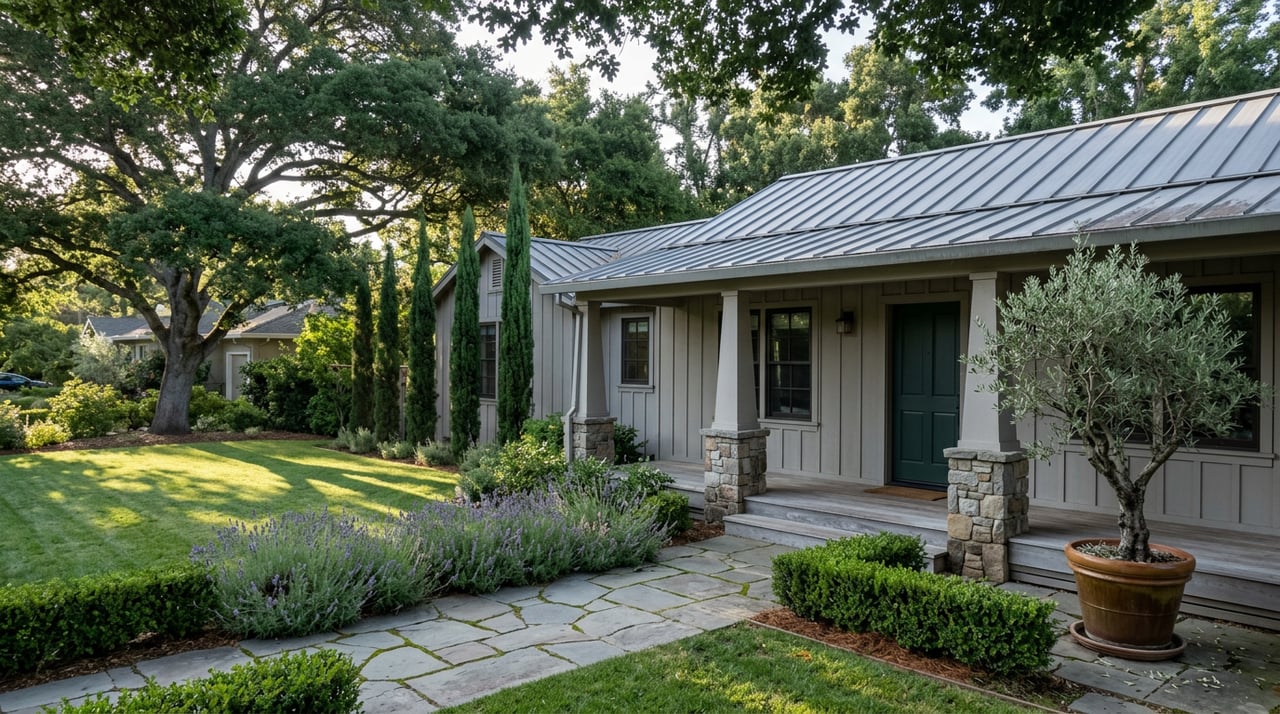
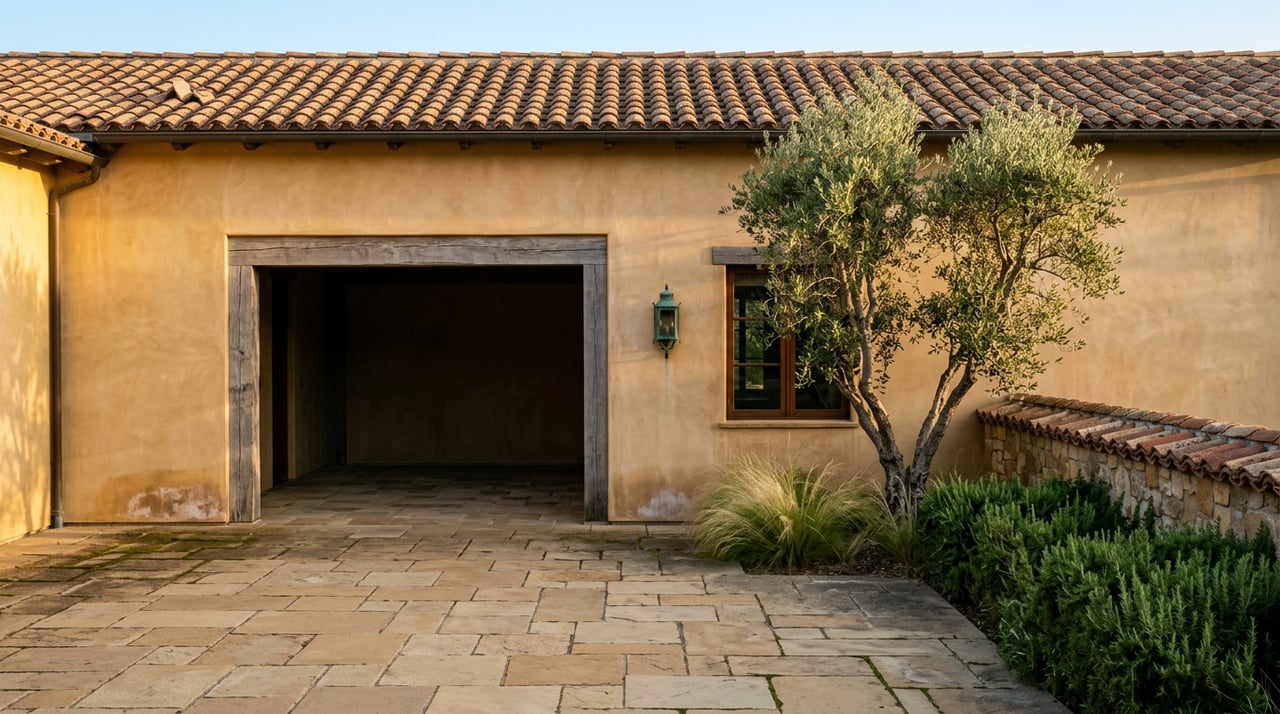
Losing a loved one is hard, and settling their home can feel overwhelming. You want to honor their legacy, respect everyone’s needs, and move forward with clarity. This guide gives you calm, practical steps for selling an estate or long‑time family home in Santa Rosa, with local rules and timelines explained in plain language. Let’s take it one step at a time.
First steps in the first two weeks
Start with safety, documents, and simple communication.
- Secure the property. Check doors and windows, collect spare keys, forward mail, and keep basic utilities on to protect the home.
- Locate the will or trust and order certified death certificates. You will need multiple copies.
- Choose a family point person. One contact helps your agent and attorney keep updates clear.
- Call a probate or trust attorney if estate matters are involved.
- Speak with a local agent experienced in estate and trust sales.
- For court forms and local procedures, review the Sonoma County Superior Court’s Probate Division resources.
Decide who can sell the home
Before listing, confirm who has legal authority to sign.
- Trust: If the home is held in a revocable trust, the named trustee usually has authority to sell without probate.
- Joint tenancy or a Transfer‑on‑Death deed: Title may pass outside probate, depending on how ownership was recorded.
- Probate: If the estate goes through court, an executor or court‑appointed administrator will handle the sale.
Ask your attorney and title company to verify how title is held. This single step sets your path and timeline.
Key probate rules that affect timing and price
If probate is required, two rules shape the process.
- Independent Administration of Estates Act (IAEA). If the court grants IAEA authority, the personal representative can sell real property with fewer court approvals after giving required notices. That often means a more typical escrow timeline. Read the statute for context in California Probate Code Section 10400.
- The 90 percent appraisal rule. If court confirmation is required, the court usually expects the accepted private sale to be at least 90 percent of an appraisal dated within one year. This protects heirs and creditors and affects pricing strategy. See California Probate Code Section 10309.
If probate is opened, expect an Inventory & Appraisal prepared with a court‑appointed probate referee before many court steps can move forward.
Taxes and costs to plan for
Set clear expectations about net proceeds by noting these items early.
- Step‑up in basis for heirs. In many inherited property sales, heirs receive a cost basis equal to fair market value at the date of death. This often reduces or eliminates capital gains on a prompt sale, but you should document the valuation and consult a tax professional. See IRS guidance in Publication 523.
- Transfer taxes. Sonoma County collects a documentary transfer tax on recorded conveyances, and the City of Santa Rosa also collects a city transfer tax in many transactions. Review current rates and exemptions on the County Recorder’s Documentary Transfer Tax page.
- Probate attorney and executor fees. California sets statutory fees for ordinary probate work using a percentage of the gross appraised estate value. The schedule starts at 4 percent of the first $100,000, 3 percent of the next $100,000, and 2 percent of the next $800,000, among other tiers. See Probate Code Section 10810.
- Property tax reassessment (Prop 19). Parent‑child and grandparent‑grandchild exclusions changed under Proposition 19. Some transfers may trigger reassessment unless a timely claim is filed. Review local guidance and forms on the Sonoma County Assessor’s Prop 19 page.
Prepare the house with care
A thoughtful plan respects your loved one’s legacy and helps buyers see the home clearly.
- Inventory and sort. Photograph sentimental items before removal and keep a simple list of what is gifted, stored, or sold.
- Choose targeted updates. Focus on safety fixes, deep cleaning, and light refreshes that show care without over‑investing.
- Stage smartly. Staging high‑impact rooms like the living room, primary bedroom, and kitchen can reduce days on market and improve offers. The National Association of Realtors’ latest findings support these benefits in their Profile of Home Staging.
- Use professional photos and floor plans. Clear visuals help buyers engage, especially if the property is sold from out of area.
How the sale typically works
Your path depends on legal authority and market readiness.
- With IAEA authority. After required notices, the listing, showings, offers, inspections, and escrow usually look similar to a standard sale. Timelines are driven by buyer financing and contingencies.
- With court confirmation. Expect an appraisal in the court file, the 90 percent rule to guide pricing, a hearing date for confirmation, statutory notices, and potential overbids in court. This can add months, so set expectations early.
Your agent will coordinate with the attorney to align pricing, disclosures, and deadlines with court requirements.
Santa Rosa specifics to know
Local rules and disclosures matter to buyers and closing costs.
- Transfer taxes. Budget for county and city transfer taxes at closing. Check current details on the County Recorder’s transfer tax page.
- Wildfire disclosures and defensible space. Many Santa Rosa properties fall within mapped Fire Hazard Severity Zones. California’s AB‑38 requires defensible‑space documentation in certain transactions. Use the CAL FIRE viewer and guidance linked here to check your property’s status: Fire Hazard Severity Zones and AB‑38.
- Utilities and services. Keep essential utilities active for inspections and safety. In Sonoma County, electricity generation often runs through Sonoma Clean Power with PG&E distribution, so note both when managing accounts.
A gentle, practical timeline
Every family and property is different, but this framework helps you organize the work.
- Days 1 to 14: Secure the home, order death certificates, locate the will or trust, select a family liaison, connect with a probate or trust attorney, and meet an experienced local agent. If probate is likely, review the court’s Probate Division page for process and forms.
- Weeks 2 to 8: Confirm who has authority to sell. If probate is opened, the court appointment and initial Inventory & Appraisal often occur in this window. Begin sorting, cleanout, light fixes, and staging prep.
- Weeks 6 to 12: List the home with full marketing. If IAEA authority applies, proceed to offers and escrow. If court confirmation is required, price with the 90 percent appraisal rule in mind and plan for a longer schedule.
- Closing and after: Transfer title, pay fees and taxes, then complete estate accounting and distributions. Full probate administration can extend past closing until final accounting is approved.
How your agent helps
You deserve a steady guide who keeps the process clear and kind. A local, hands‑on agent will:
- Set a realistic timeline and communication plan for your family.
- Coordinate attorney, title, cleanout, staging, and contractor support.
- Price strategically around probate rules when needed.
- Manage wildfire, hazard, and local transfer‑tax disclosures.
- Negotiate firmly while keeping the process calm and respectful.
If you are ready for a clear plan, reach out. Ashley McSweeney offers a free, low‑pressure consultation and valuation so you can make decisions with confidence.
FAQs
How long does a Santa Rosa probate home sale take?
- If no court confirmation is required and title is clear, expect a more typical sale timeline of weeks to a few months. If court confirmation is needed, add months for hearings and notices. Full probate administration often runs 6 to 12 months or longer in California, as outlined in this overview of the process (selling a house in probate in California).
Who is allowed to sign the listing and sale documents in an estate sale?
- The authorized signer depends on title: a trustee for trust‑held property, a surviving joint tenant or TOD beneficiary in some non‑probate transfers, or the court‑appointed executor/administrator if probate is opened. Your attorney and title company will confirm.
What is the 90 percent appraisal rule in California probate sales?
- When a probate sale needs court confirmation, the accepted private sale generally must be at least 90 percent of an appraisal dated within one year. This protects heirs and creditors and shapes pricing.
What probate fees should families expect in California?
- Statutory fees for attorneys and personal representatives are set by law as a percentage of the gross appraised estate value. The schedule begins at 4 percent of the first $100,000, then 3 percent of the next $100,000, then 2 percent of the next $800,000, among other tiers.
Will heirs owe capital gains tax when selling an inherited home?
- Many heirs receive a step‑up in basis to fair market value at the date of death, which often reduces or eliminates capital gains on an immediate sale. Keep documentation and consult a CPA or tax attorney for specific advice based on IRS Publication 523.