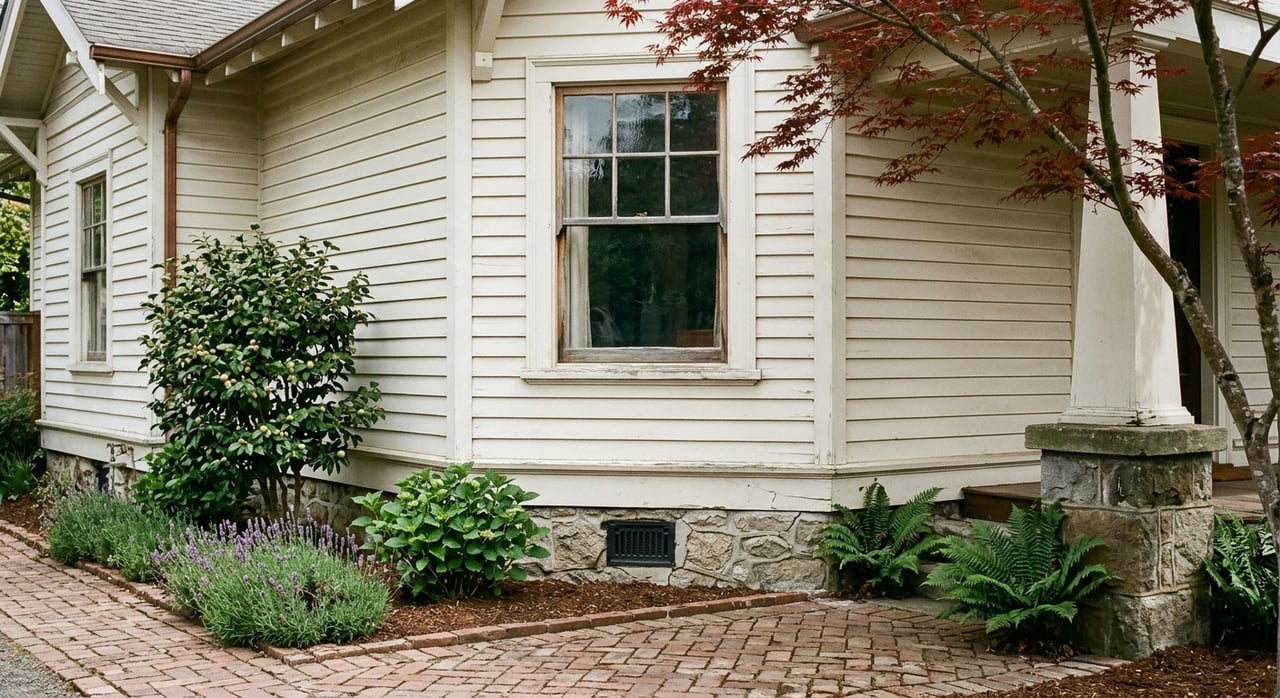
Smart Guide to Buying an Older Home in Petaluma
April 2, 2026
April 2, 2026
Thinking about buying an older home in Petaluma? You are not alone. Many buyers fall for the character, craftsmanship, and history found in Petaluma’s older properties, but charm and condition are not the same thing. If you are considering one of these homes, this guide will help you understand what to inspect, what to ask, and what to budget for before you move forward. Let’s dive in.
Petaluma has a rich mix of older housing, especially in and around its historic districts. The city identifies the Petaluma Historic Commercial District, Oakhill-Brewster Historic District, and A Street Historic District as key historic areas, each with its own architectural character and time period.
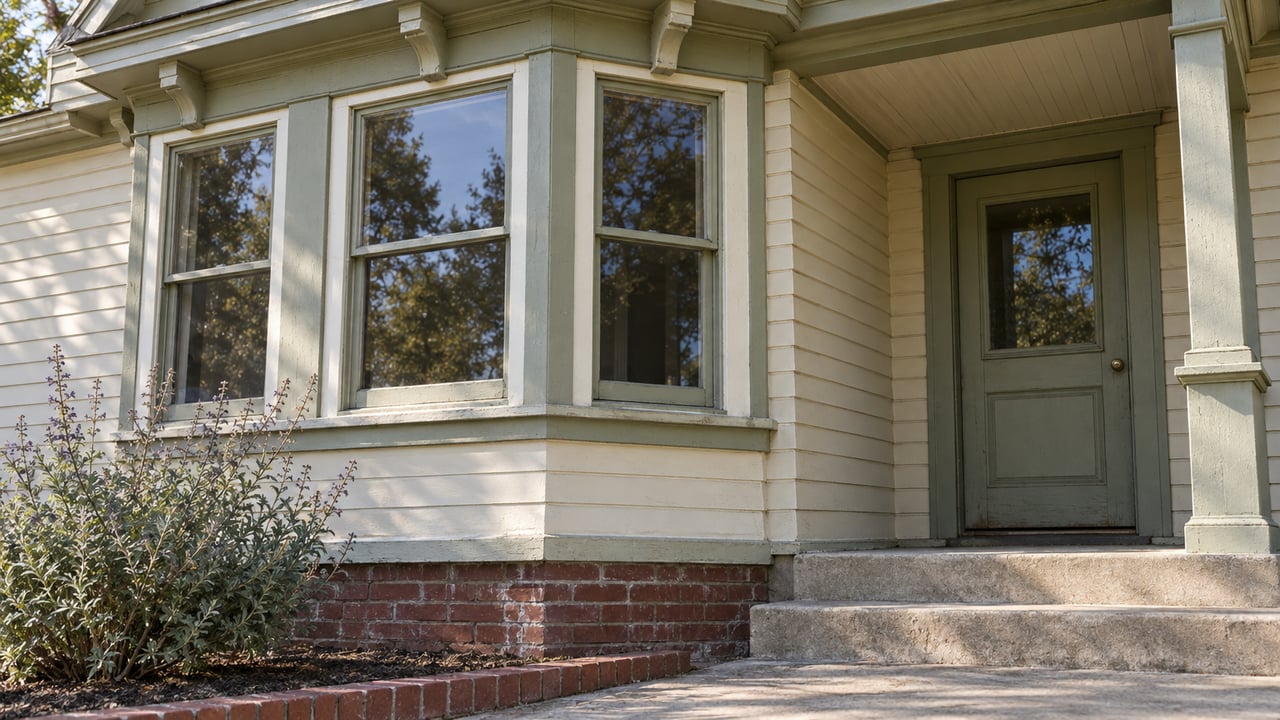
For you as a buyer, that means an “older home” can cover a wide range of styles and construction eras. In Oakhill-Brewster, for example, the city’s design guidelines describe homes that include Italianate, Stick, Queen Anne, Shingle, Craftsman, Colonial Revival, Prairie, and Ranch-era styles. That variety can be exciting, but it also means repair needs and renovation limits may vary widely from one home to the next.
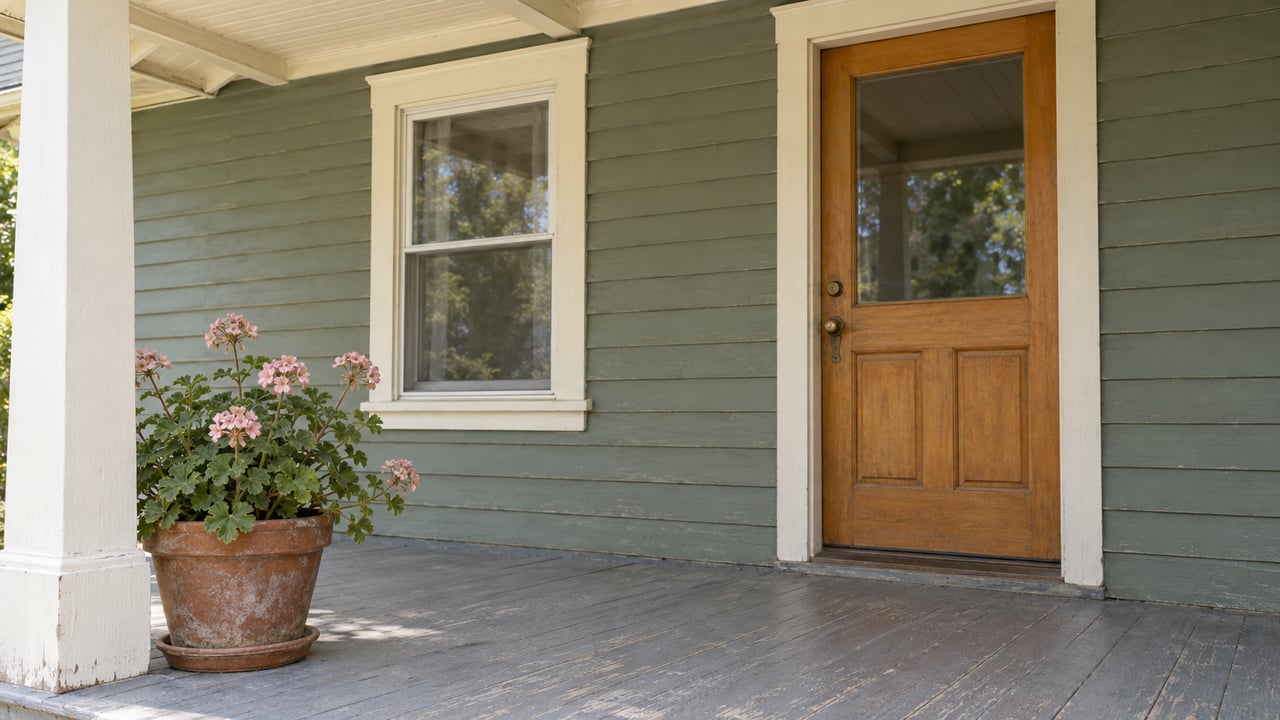
It is easy to focus on original trim, tall windows, or a welcoming front porch. Those features matter, but your first priority should be how the home performs today. According to CREIA’s guidance on historic homes, older properties may have structural issues, outdated building components, failing mortar, inoperable windows, inadequate electrical systems, limited heating, and poor insulation.
A clean-looking home can still have expensive hidden issues. That is why it helps to separate what feels charming from what may need repair, replacement, or further review.
When you are evaluating an older home in Petaluma, pay close attention to these areas:
CREIA notes that moisture intrusion and plumbing leaks can be among the costliest repairs. In practical terms, drainage and foundation performance deserve extra attention early in your due diligence.
In California, termite concerns are common in older homes, especially where wood has been exposed to moisture over time. The UC Integrated Pest Management program notes that drywood termites are common along the Pacific coastal region, dampwood termites are associated with cool and humid coastal areas and high-moisture wood, and subterranean termites occur throughout California and are among the most destructive species.
You should also expect a pest inspection to be part of the process. The research report notes that the Structural Pest Control Board says many lenders require a wood-destroying organism inspection before financing. If you are buying an older Petaluma home, a pest report is not just helpful. It is often a standard part of smart due diligence.
Many older homes in California were built before modern seismic standards. If the home has a raised foundation and steps up to the first floor, that can be a clue that it may be more vulnerable during major shaking.
The California Earthquake Authority says older raised-foundation homes can shift off their foundations during an earthquake and may benefit from crawlspace bracing and bolting the house to the foundation. The same source also says homes built before 2000 should be considered for seismic retrofit, and retrofitted homes may qualify for earthquake insurance premium discounts.
Before you buy, ask whether the home has had:
If no retrofit work has been done, that does not automatically make a home a bad fit. It just means you should understand the likely next steps and budget impact.
If a home was built before 1978, lead-based paint is a real consideration. California public health guidance says repainting, remodeling, or renovation work in pre-1978 homes should begin with a certified lead Inspector/Assessor and, when needed, a certified lead Supervisor.
The EPA also explains that lead hazards become more serious when paint chips, flakes, cracks, or is disturbed during renovation. Even if surfaces look fine today, lead-safe work practices may still matter if you plan to remodel.
Asbestos follows a similar pattern. The EPA’s asbestos guidance says undamaged material that will not be disturbed may not need testing, but damaged materials or planned remodeling should trigger an inspection by a trained and accredited asbestos professional. The EPA also clearly warns against sampling or removing asbestos yourself.
California disclosure requirements matter in every transaction, but they are especially important when you are buying an older property. The research report notes that sellers of single-family property must provide a transfer disclosure statement before transfer of title, and brokers have a duty to conduct a reasonably competent and diligent visual inspection and disclose material facts.
The Natural Hazard Disclosure Statement under California law covers issues such as flood areas, fire hazard severity zones, earthquake fault zones, and seismic hazard zones. These hazards can affect development rights, insurance availability, or post-disaster assistance, so it is worth reviewing these disclosures carefully and early.
If you love the idea of updating an older home after closing, make sure you know whether the property is in a historic district or is a city landmark. In Petaluma, certain exterior changes may trigger the city’s Site Plan & Architectural Review process, and the city says Historic SPAR review takes a minimum of six months.
That timeline can be a big surprise for buyers who hope to replace windows, change the facade, build an addition, or make other visible exterior changes soon after purchase. It does not mean you cannot improve the property. It means you should confirm the rules before building your budget and timeline.
According to the Oakhill-Brewster guidelines in the research report, exterior building work and demolition are reviewed, while these items are not regulated:
The main takeaway is simple: routine maintenance and bigger exterior alterations are treated differently. If you are buying in one of Petaluma’s historic areas, verify what your planned work would require.
One of the biggest mistakes buyers make with older homes is assuming a solid general inspection means low future costs. CREIA’s guidance is clear that historic homes often require extensive repairs and upgrades, and buyers should plan for that reality.
That may mean paying for specialist inspections up front and setting aside funds for future system replacement. An older roof, aging electrical panel, outdated plumbing, old heating equipment, drainage corrections, or termite treatment can all add up quickly.
When you are running numbers on an older Petaluma home, consider budgeting for:
This approach helps you buy with clearer expectations instead of relying on hope.
A few targeted questions can save you time, stress, and money. The research report highlights several especially useful ones for older-home buyers in Petaluma.
These questions help you move from surface appeal to real decision-making.
Buying an older home in Petaluma can be incredibly rewarding. You may end up with distinctive architecture, original details, and a strong sense of place that newer homes simply do not offer. At the same time, the smartest buyers go in with open eyes, careful inspections, and a realistic plan for maintenance, upgrades, and possible city review requirements.
If you want help evaluating older homes in Petaluma, comparing renovation tradeoffs, or understanding what to watch for before you write an offer, Ashley McSweeney can help you move forward with clear, local guidance.
Stay up to date on the latest real estate trends.
Get assistance in determining current property value, crafting a competitive offer, writing and negotiating a contract, and much more. Contact me today.