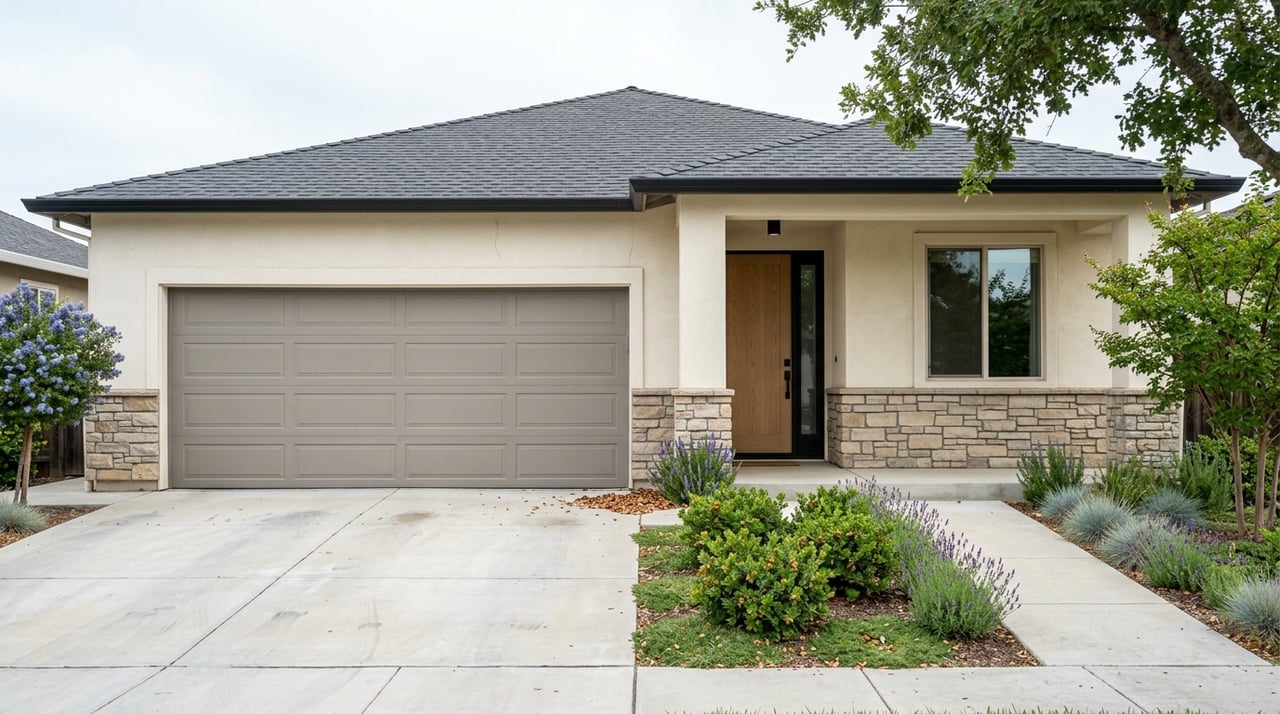
Windsor CA Home Buying: Find the Right Fit
April 23, 2026
April 23, 2026
Trying to find the right home in Windsor can feel simple at first. It is a smaller town, and that can make the search seem manageable. But once you start comparing walkability, commute routes, home types, and areas with new development, the decision gets more layered. The good news is that with the right plan, you can narrow your options faster and focus on the homes that truly fit your lifestyle. Let’s dive in.
Before you compare listings, think about how you want your day to work. In Windsor, neighborhood choice is often less about long commute differences and more about convenience, home style, and how you want to spend your time.
According to the U.S. Census QuickFacts for Windsor, the town covers 7.44 square miles, has a 2024 population estimate of 25,846, and a mean commute to work of 22.7 minutes. That compact layout means small location differences can still shape how close you are to parks, shops, transit, and major roads.
Ask yourself a few practical questions first:
These answers will help you sort Windsor homes by fit, not just by price.
Windsor offers a mix of central, walkable areas and more traditional detached-home neighborhoods. As you search, it helps to compare areas by lifestyle rather than trying to chase a single “best” part of town.
If you want walkability, this is one of the first places to look. The Town Green serves as Windsor’s civic and event center, and the SMART Windsor station sits just steps away.
This area appeals to buyers who value convenience, short local trips, and access to community events. The Village on the Town Green also reflects the area’s mixed-use direction, with a combination of housing types near shopping and activity hubs.
In general, buyers here may trade larger yards for easier access to transit, events, and everyday errands.
The Shiloh corridor is one of Windsor’s most active growth areas. If you are comparing newer projects, attached housing, or locations with easier access to transportation, this part of town deserves a close look.
The town has several active projects here, including Clearwater at Windsor, a mixed-use senior living development, and other housing activity along Shiloh Road and Old Redwood Highway. For some buyers, this corridor offers a practical middle ground between central access and newer housing options.
If your priority is more space, privacy, or a traditional neighborhood feel, Windsor also has areas with detached homes and larger-lot options. Town project information shows a range from smaller suburban lots to much larger parcels.
For example, Hembree Lane Oaks includes 24 residential lots ranging from 1,880 to 6,484 square feet, while Estates at Ross Ranch includes significantly larger lots of about 0.25 to 0.93 acre. That range matters if you are trying to balance yard space, maintenance, and long-term usability.
One of the smartest ways to find the right home in Windsor is to decide what kind of ownership experience you want. The right fit is not always the biggest house. It is the home type that supports your budget, schedule, and priorities.
Detached homes often make sense if you want more privacy, outdoor space, and control over the property. In Windsor, these homes show up in both newer subdivisions and larger-lot edge areas.
If you know you want a yard, storage, or space to spread out, detached homes may rise to the top of your list quickly.
Attached homes can be a strong option if you want lower-maintenance living or a more central location. Windsor’s project pipeline includes mixed-use and condominium-style housing such as Quail Acres, along with broader mixed housing in the station and town center areas, according to the town’s major project development list.
For many buyers, this option works well when convenience matters more than lot size.
Some buyers are open to a higher-density setting if it creates a more affordable entry point or reduces maintenance. Projects like Shiloh Crossing, Mill Creek, and Duncan Village show that Windsor includes more than just detached suburban housing.
Even if you plan to buy rather than rent, it helps to understand where multifamily growth is happening so you can compare atmosphere, density, and nearby development plans.
Even in a compact town, transportation access can shape your daily routine. If you commute within Sonoma County or connect to nearby areas, location near the station, Old Redwood Highway, or US 101 may matter more than square footage differences.
SMART added Windsor station service in May 2025, and the station page notes connections to Sonoma County Transit routes 60, 62, and 66. The SMART Windsor station page and town transportation materials make clear that the US 101 and Old Redwood Highway interchange is one of Windsor’s key access points.
When you tour homes, think beyond the map. Test the route to work, grocery runs, weekend activities, and local appointments. A home that looks similar on paper can feel very different depending on how easily you move through town.
When two homes seem equally strong, nearby amenities can help you decide. Windsor’s parks, trails, and event spaces are a meaningful part of daily life for many residents.
The Town of Windsor special events page highlights the Town Green as a regular event hub. The town also points to expanded access at Keiser Park, while Foothill Regional Park offers about 6.8 miles of trails and Shiloh Ranch Regional Park offers nearly 8 miles.
If you enjoy walking, biking, outdoor time, or being close to community events, these nearby features can add real value to your day-to-day experience.
A home can be the right fit today and still sit in an area that is changing. That is not automatically good or bad, but it is worth understanding before you make an offer.
Windsor’s 2040 General Plan land use page and major-project materials show ongoing activity in the Station Area, Shiloh Road, Hembree Lane, Ross Ranch, Old Redwood Highway, and Bell Road corridors. Homes near planned infill or mixed-use projects may benefit from future amenities and improved access, but they may also see more construction activity or denser neighboring uses.
This is one of the best reasons to review not just the home, but also the area around it.
No one can promise future resale performance, but you can still make a practical choice. In Windsor, broadly useful features are often the easiest to understand and compare.
Based on the town’s transit, park, and development patterns, features that may appeal to future buyers include:
The goal is not to predict the market. It is to choose a home that works well for you now and still checks boxes that many buyers tend to value.
If you want to avoid decision fatigue, create a short search framework before you start writing offers. A clear plan keeps emotions from driving every choice.
Here is a simple Windsor-specific checklist:
For that last step, Windsor buyers can use the town’s evacuation map lookup tool as part of their due diligence, especially for homes near open space or the town’s edges.
Finding the right home in Windsor is rarely about chasing the most listings. It is about asking better questions, comparing the right areas, and understanding how each home fits your real life.
If you want a clear, steady plan for your Windsor search, working with a local agent can help you move with more confidence. Ashley McSweeney brings a thoughtful, hands-on approach to helping buyers compare neighborhoods, evaluate property types, and make smart decisions in Sonoma County.
Stay up to date on the latest real estate trends.
Get assistance in determining current property value, crafting a competitive offer, writing and negotiating a contract, and much more. Contact me today.