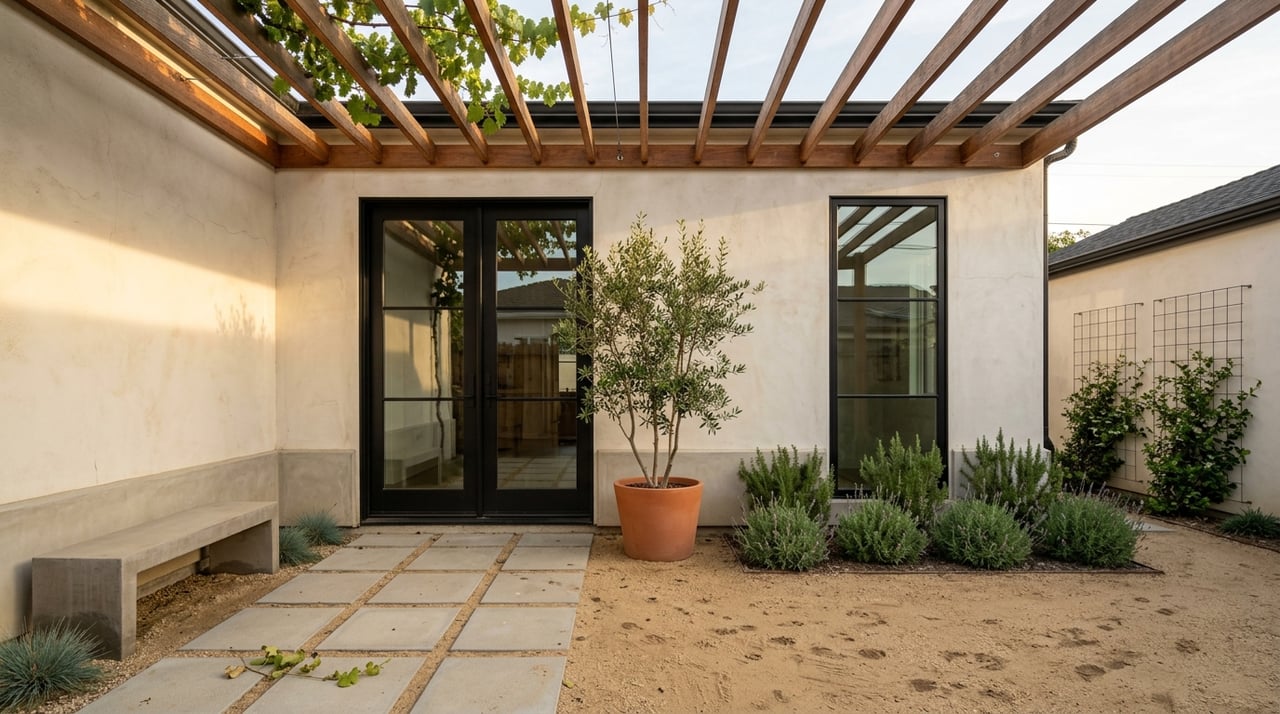
Sonoma CA Living Guide: Plaza Core to Vineyard Edges
April 16, 2026
April 16, 2026
Thinking about Sonoma and wondering what daily life really feels like once you get beyond the postcard version? If you are considering a move, planning a sale, or simply trying to understand how Sonoma fits different lifestyles, it helps to look at the city from the inside out. Sonoma offers a compact footprint, a historic civic center, and residential areas that transition quickly toward open land and vineyard edges. Let’s dive in.
Sonoma is small in size but layered in how it lives. The city covers just 2.74 square miles in Sonoma Valley and is home to about 11,000 residents, with more than 1,300 business establishments, according to the City of Sonoma. That mix helps Sonoma function as both a small town and an economic hub for the broader valley.
The setting shapes the experience in a big way. The city sits between the Mayacamas and Sonoma Mountain ranges, which help create the Mediterranean climate the city highlights on its website. Sonoma Valley is also about 45 miles north of San Francisco and includes more than 300 wineries across the valley, according to Visit Sonoma Valley.
For buyers and sellers, that means Sonoma is not just a destination. It is also a real residential market with a compact urban form, established neighborhoods, and close access to agriculture and open space.
For many people, the heart of Sonoma starts at the Plaza. Sonoma Plaza is an eight-acre square laid out in 1835 by General Mariano Vallejo, and the city says it is the largest of its kind in California as well as a National Historic Landmark.
This is more than a historic landmark. City Hall sits at the center, and the Plaza includes a duck pond, two playgrounds, an amphitheater, and a rose garden. That combination gives the area a daily-use feel, not just a visitor-friendly one.
The Plaza is also Sonoma’s most concentrated activity zone. The city hosts a seasonal Tuesday Night Market there, while the area also includes more than 20 tasting rooms and seasonal cultural events like the Sonoma Art Walk on first Thursdays during the October through April season.
If you want a part of Sonoma where you can keep more of your routine close to home, this is the clearest example. Dining, gathering spaces, visitor services, and community activity are clustered within a short distance, making the Plaza area Sonoma’s most pedestrian-oriented part of town based on city and visitor descriptions.
Living near the Plaza can mean easier access to errands, coffee shops, public spaces, and local events. The Sonoma Valley Visitors Bureau office is also located on the Plaza and provides local information, bus passes, and regional parks annual passes.
Just off the Plaza, the Sonoma Community Center adds another layer of everyday activity with classes, performances, and programming in a historic former grammar school building. For buyers who value a more connected, on-foot routine, this part of Sonoma stands out.
Once you move outward from the Plaza, Sonoma still feels compact. One major reason is the city’s urban growth boundary, which was created to limit outward expansion and discourage sprawl.
That planning approach helps explain why Sonoma often feels edge-sensitive rather than broadly suburban. The city transitions relatively quickly from in-town blocks to nearby agricultural land and open landscapes, which is a big part of its appeal.
Housing options reflect that same pattern. Based on city planning sources, Sonoma’s housing story is not centered on large new subdivisions. Instead, it includes older core housing, accessory dwelling units, townhomes, and multifamily infill.
The city’s Accessory Dwelling Unit program is specifically intended to create more diverse housing options throughout Sonoma. In practical terms, that means ADUs are part of the local housing conversation, especially on established residential lots.
For buyers, this can matter if you are open to flexible living arrangements or a smaller footprint. For sellers, it can also matter if your property includes an accessory unit or has the lot characteristics that support one.
Sonoma also has examples of newer housing forms that fit into the city’s compact pattern. The city’s Vineyard Crossing project page describes 51 all-electric townhome-style condominiums, while other city development pages show apartment-style infill as part of the local pipeline.
At the same time, Sonoma’s Historic Preservation Commission and design review process show that older parts of town are managed with an emphasis on preserving architectural character. That balance between new housing and established character is important if you are comparing Sonoma to faster-growing markets.
One of Sonoma’s defining traits is how quickly you can move from civic center to quieter residential streets and then toward open land. That transition is part of what makes the city feel both compact and connected to the broader valley.
You are not looking at a place that stretches endlessly outward. Instead, the growth boundary and surrounding agricultural lands help create a clear edge to the city. For many buyers, that adds a sense of place that is harder to find in larger suburban markets.
This does not mean every home sits beside vineyards. It means the relationship between town and countryside is more immediate here than in many communities, and that affects how Sonoma feels on a daily basis.
Sonoma’s small scale does not mean limited outdoor options. The city says its bicycle network includes about four miles of Class I, II, and III routes, giving residents practical ways to move through town by bike.
The Sonoma City Trail and local bike routes connect several well-used destinations. The Sonoma City Trail runs about 1.5 miles across northern Sonoma and serves Depot Park, the Field of Dreams, and Olsen Park.
The Nathanson Creek Trail connects local neighborhoods to Sonoma Valley High School and Adele Harrison Middle School. These routes support day-to-day routines, not just recreation.
Depot Park sits one block from the Historic Sonoma Plaza and includes a museum, playground, bocce and petanque courts, and a sand volleyball court. That gives central Sonoma another useful public gathering space beyond the Plaza itself.
Sonoma Garden Park adds a different kind of amenity with a 6-acre community agricultural landscape, walking paths, garden plots, Saturday Harvest Market activity, and educational programming. If you want access to outdoor space that feels tied to the valley’s agricultural identity, this is a great example.
In the broader valley, Sonoma Valley Regional Park offers oak woodlands, a paved 1.2-mile ADA-accessible trail, and additional hiking, biking, and equestrian routes. That means nature stays close at hand, even if you live in the city itself.
If you are asking whether Sonoma is walkable, the answer depends on where you are. The Plaza core is the easiest place to live with a more walkable routine because errands, public spaces, and gathering spots are clustered together.
Outside that core, Sonoma still supports some car-light movement through biking and transit, but many routines remain car-based. The city notes that the Sonoma Shuttle Route 32 is fare-free, and its transportation page also lists intercity service to Santa Rosa, Petaluma, and San Rafael.
That makes Sonoma more connected than its size might suggest. Still, for most residents, the overall transportation picture is best described as a mix of walking near the center, biking on local routes, and driving for many daily needs.
Sonoma’s numbers help explain the market feel. The latest U.S. Census QuickFacts show a 65.0% owner-occupancy rate, a median owner-occupied home value of $970,500, median monthly owner costs of $3,037 with a mortgage, and median gross rent of $2,226.
The city also has a relatively small average household size of 1.97 persons and an older age profile than many California cities. Census data estimates 34.3% of residents are age 65 or older, while 14.1% are under 18, based on 2024 QuickFacts.
For buyers, that points to a high-cost market with a mix of lifestyle priorities, downsizing moves, second-home interest, and full-time residency. For sellers, it reinforces why pricing, property positioning, and a clear understanding of Sonoma’s micro-location differences matter.
If you are relocating, community infrastructure often matters as much as the home itself. The Sonoma Valley Unified School District lists Sonoma Valley High School, Creekside High School, Altimira Middle School, and four elementary schools on its homepage.
Sonoma also offers community-serving amenities like Sonoma Splash, a district-partnered aquatic center with daily swim programming and camp offerings. Along with parks, trails, and the Plaza, these features help round out daily life in a compact city setting.
The key takeaway is that Sonoma offers more than scenic appeal. It combines civic spaces, residential variety, and practical amenities in a city that still feels physically contained.
Sonoma can appeal to several kinds of buyers. If you want a historic core with nearby public spaces and a more walkable routine, the Plaza area may stand out.
If you prefer a quieter residential setting while staying close to town services, the neighborhoods beyond the core may offer a better fit. And if your goal is to live in a place where town and countryside are closely linked, Sonoma’s edge condition is one of its strongest qualities.
For sellers, this variety is just as important. Homes near the Plaza, properties in established residential pockets, and homes closer to the city’s edges may each attract buyers for different reasons, so your marketing strategy should match the lifestyle your property actually offers.
Whether you are buying your first Sonoma County home, relocating, or preparing to sell a long-held property, local context matters. If you want thoughtful guidance on how Sonoma fits your goals, connect with Ashley McSweeney for a personalized conversation.
Stay up to date on the latest real estate trends.
Get assistance in determining current property value, crafting a competitive offer, writing and negotiating a contract, and much more. Contact me today.