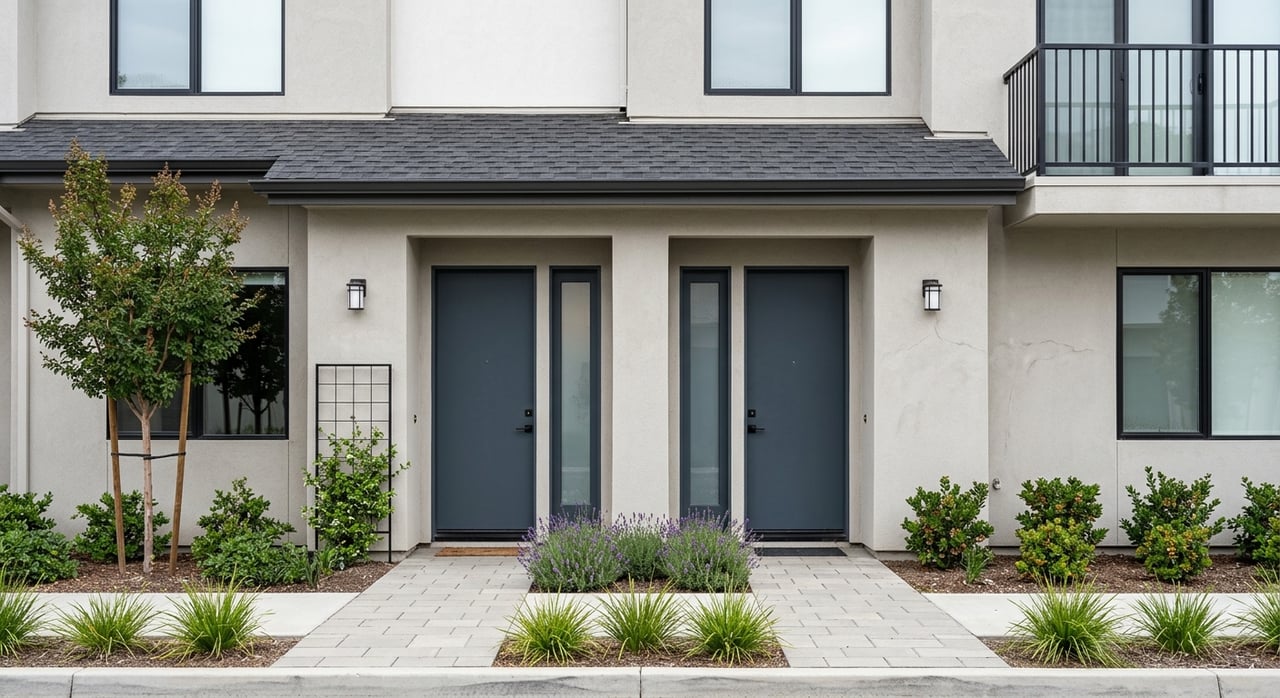
Is Rohnert Park Condo or Townhome Living Right for You?
May 7, 2026
May 7, 2026
Wondering if a condo or townhome in Rohnert Park is the right fit for your next move? You are not alone. For many buyers, attached housing offers a practical way to balance budget, location, and lifestyle in a Sonoma County market where convenience matters. This guide will help you understand what condo and townhome living looks like in Rohnert Park, what to expect from HOAs, and what to review before you buy. Let’s dive in.
Rohnert Park is a natural place to consider condos and townhomes because attached housing is already part of how the city was planned. The city describes Rohnert Park as a planned community with many neighborhoods that include parks and grade schools nearby. It also highlights the city’s central Sonoma County location, access to Highway 101 and SMART, and proximity to Sonoma State University.
That planning history helps explain why multi-family housing feels familiar here rather than unusual. City housing material notes that Rohnert Park has a higher share of multi-family housing than Sonoma County overall. The city also envisions more than 800 additional residential units near the SMART station, which points to continued interest in this style of housing.
For you as a buyer, that means condos and townhomes are not just a niche option. They are part of the local housing mix and can make sense if you want a home with less exterior upkeep, a more compact footprint, or access to shared amenities.
Current listing snapshots show a smaller but active attached-home market in Rohnert Park. Recent samples show about 13 condos and 5 townhomes for sale. In that same snapshot, condo list prices ran roughly from $250,000 to $729,000, while townhomes ranged from about $370,000 to $545,000.
Size and layout can vary quite a bit. One-bedroom condos in current listings appear around 591 to 614 square feet, while two-bedroom condos range from about 848 to 1,176 square feet. Larger three-bedroom condo options can reach about 1,714 square feet.
Townhomes often land in the 1,000 to 1,450 square foot range with two to three bedrooms. Many listings also include features buyers tend to prioritize, such as attached garages, patios or decks, or a downstairs bedroom. If you want a little more separation and square footage than a typical condo offers, a townhome may be the better match.
Attached homes in Rohnert Park are most visible in the 94928 core and along corridors like Camino Colegio, Parkway, Santa Alicia, Southwest Boulevard, City Center, and SOMO Village. This lines up with city planning documents that place medium- and high-density housing near commercial corridors such as East Cotati Avenue, Southwest Boulevard, Rohnert Park Expressway, and Golf Course Drive.
Mixed-use residential areas are also concentrated in SOMO Village and the downtown area. In practical terms, this often gives buyers access to locations that connect well to commuting routes, shopping, and everyday services. If your goal is to stay close to transportation options or central amenities, these areas are worth watching.
Condos and townhomes can look similar in a search feed, but daily living can feel different. A condo often offers a more compact layout and shared building features, while a townhome may provide more vertical separation, a private entry, and sometimes an attached garage.
In Rohnert Park, both property types can appeal to buyers who want lower-maintenance living. The right choice usually depends on how much space you need, how you feel about shared walls, and how much exterior control matters to you.
One of the biggest questions buyers ask is simple: what do the HOA dues actually pay for? In the current Rohnert Park sample, monthly HOA dues range from about $209 to $600. That range is wide because communities can offer very different levels of service and amenities.
Some current listings show HOA dues that include water, sewer, garbage, exterior repairs, roof, structure insurance, landscaping, and amenities such as a clubhouse, pool, tennis, pickleball, or basketball courts. That can simplify your monthly budgeting, but it is important to confirm the details for the specific property you are considering.
The California Department of Real Estate explains that regular assessments are usually collected monthly and help fund day-to-day operations and reserves. It also notes that special assessments may be used for major repairs or unexpected expenses. In general, without member approval, special assessments in a fiscal year cannot exceed 5 percent of gross budgeted expenses.
This is one of the most important parts of condo and townhome ownership. Under California Civil Code 4775, unless the governing declaration says otherwise, the association maintains the common area. The owner maintains the separate interest and the exclusive-use common area attached to that unit, while the association handles repairs and replacement of exclusive-use common area.
That legal framework is useful, but the governing documents for the specific community matter a great deal. The California Department of Real Estate says the CC&Rs define common-area responsibilities, assessment obligations, insurance requirements, and architectural control. In other words, the exact answers for a balcony, patio, exterior surface, or insurance issue may depend on the development’s documents.
This is why two communities with similar-looking homes can operate very differently. Before you buy, you will want to understand where your responsibility starts, where the association’s responsibility begins, and what approvals may be needed for changes.
Association living is often a good fit for buyers who value lower exterior maintenance and appreciate shared amenities. At the same time, it usually comes with rules that affect everyday use of the property. Depending on the community, rules may address parking, balcony or deck use, landscaping, rentals, and other routine matters.
That does not make one option better than another. It simply means you should match the property to your lifestyle. If you want a lock-and-leave setup and do not mind shared rules, a condo or townhome can be a strong fit. If you want maximum control over the exterior and prefer to avoid dues or association oversight, attached housing may feel more restrictive.
The Department of Real Estate also notes that homeowners are in charge of the association, elect the board, and can take part in meetings or committees. That is worth remembering if you prefer a more hands-off ownership experience.
The most confident condo and townhome buyers ask detailed questions early. That is especially important when comparing two properties with different HOA fees, amenities, or rules. A lower monthly due is not automatically better if the reserves are weak or major repairs are looming.
Here is a smart checklist to use as you evaluate a property in Rohnert Park.
A careful review can save you stress later. It also helps you compare homes more fairly, especially when one community offers more services or has a different approach to maintenance and reserves.
A condo or townhome in Rohnert Park can be a smart option if you want manageable maintenance, a central Sonoma County location, and access to housing types that are already well established in the city. For some buyers, that combination creates a more comfortable path into homeownership or a simpler next chapter after a larger home.
The key is not just finding the right floor plan. It is finding the right community structure, monthly cost, and rules for the way you want to live. When you look beyond the photos and dig into the HOA details, you put yourself in a much better position to buy with confidence.
If you are weighing condo or townhome options in Rohnert Park and want practical guidance on the tradeoffs, Ashley McSweeney can help you sort through the details and find the right fit for your goals.
Stay up to date on the latest real estate trends.
Get assistance in determining current property value, crafting a competitive offer, writing and negotiating a contract, and much more. Contact me today.