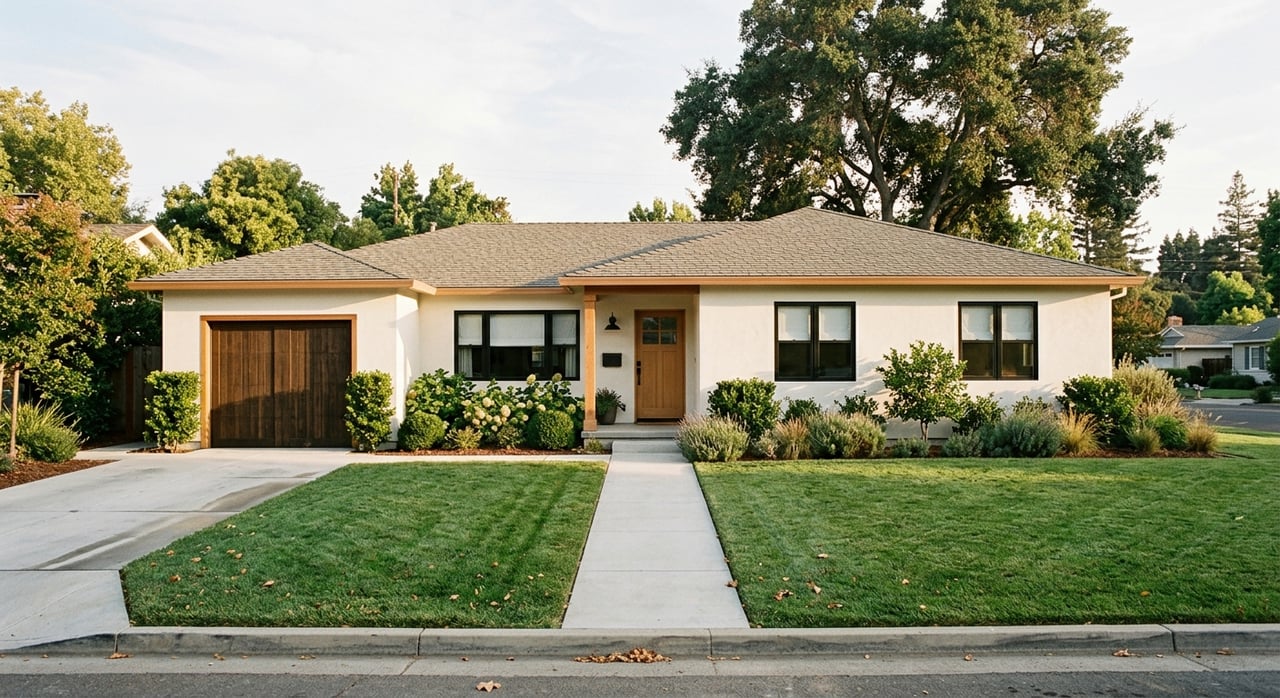
Relocating to Sonoma County: A Smarter Bay Area Move
May 28, 2026
May 28, 2026
Thinking about leaving the Bay Area for Sonoma County? You are not alone, and the move can look simple on paper: more space, a different pace, and access to everything from downtown hubs to small-town centers. But Sonoma County is not one market with one lifestyle, so the best move starts with understanding how each area actually lives day to day. This guide will help you compare towns, commute patterns, housing styles, and key due diligence steps so you can relocate with more confidence. Let’s dive in.
One of the biggest surprises for Bay Area buyers is that Sonoma County is not a single lifestyle market. The county stretches from coast to mountains and includes vineyards, redwoods, beaches, rivers, and valley towns. That variety is a big part of the appeal, but it also means your experience can change a lot depending on where you land.
In practical terms, many buyers are choosing between more space and a slower pace on one hand, and more driving or transit planning on the other. Sonoma County also brings a different set of property questions, especially around wildfire, flooding, drought, and insurance planning. If you are relocating from San Rafael or elsewhere in the Bay Area, it helps to think less about “Sonoma County” as a whole and more about which part of the county fits your routine.
If you still need regular access to Marin or San Francisco, your commute test should come before your home search gets too far. US 101 is the county’s main north-south freeway corridor, and SMART serves Windsor, the Sonoma County Airport area, Santa Rosa, Rohnert Park, Cotati, Petaluma, Novato, San Rafael, and Larkspur. At Larkspur, riders can connect to Golden Gate Ferry and Golden Gate Transit.
That makes the southern and central corridor towns especially useful to test first if your work or family life still pulls you south. Even if you plan to drive most days, it is smart to experience both US 101 and the SMART-to-Larkspur option yourself. A map can only tell you so much.
A scouting trip should match the life you expect to live, not the life you hope will somehow work out later. If you may commute into Marin or San Francisco, try the route during the hours you would actually travel. If you expect to live and work locally, spend time in the neighborhood at weekday rush hour, on a weekend, and after dark.
This kind of testing can quickly change your priorities. A town that looks perfect online may feel too far once you drive it, while another may feel easier and more connected than you expected.
For many Bay Area movers, the best first step is narrowing your search to two or three towns instead of trying to study the whole county at once. Sonoma County has a wide spread in housing values and a very different feel from city to city. That is why local comparison matters.
Santa Rosa is the county’s largest city, with 177,524 residents. It is often the easiest place to start because it includes a wide range of housing types, from suburban neighborhoods to more infill-oriented areas. City planning materials highlight low- and mid-rise apartments, condominiums, duplexes, triplexes, townhomes, ADUs, and other “missing middle” housing types.
If you want options, Santa Rosa gives you a lot to compare in one city. It can work well if you are trying to balance budget, housing variety, and access to services or transit-connected areas. Census QuickFacts puts the median owner-occupied value around $685,000, which also makes it an important reference point when comparing it to other Sonoma County markets.
Petaluma has 59,393 residents and is often one of the first towns Bay Area buyers want to explore. Its historic districts include downtown commercial areas and older residential neighborhoods with many buildings dating to before 1925. The city’s built environment gives it a strong sense of character, and many buyers are drawn to its walkable core.
That said, walkability can come with practical tradeoffs. The city manages downtown parking with 2-hour street limits, so daily convenience may look different than it does in a more suburban setting. Census QuickFacts lists the median owner-occupied value at about $878,600.
Windsor has 25,846 residents and a public identity centered on parks, recreation, and community events. The Town Green and Keiser Park play a big role in that feel, and the SMART station and pathway are part of the civic core. If you want a suburban environment with public gathering spaces and rail access, Windsor is worth a close look.
QuickFacts also shows a high owner-occupied rate and a median owner-occupied value around $801,100. For many relocating buyers, Windsor can feel like a strong fit when they want more breathing room while staying connected to the central corridor.
Sonoma city is smaller, with 10,606 residents, and its identity is closely tied to Sonoma Plaza. The plaza is an eight-acre historic park and National Historic Landmark with a duck pond, playgrounds, a rose garden, and frequent community events. If you are drawn to a smaller setting with a strong historic center, Sonoma often stands apart.
It also tends to compare at a higher value point. Census QuickFacts shows a median owner-occupied value around $970,500, which helps explain why buyers often view Sonoma as a more historic, small-town, higher-value market.
Rohnert Park has 44,894 residents and is known as one of the nation’s first master-planned communities. City materials describe a neighborhood-unit concept, more than a dozen neighborhood parks, and a growing mixed-use downtown district. For buyers who like a more predictable suburban pattern, it can be a useful comparison town.
Rohnert Park is especially worth comparing with Windsor and south Santa Rosa. If park access, a planned layout, and a straightforward suburban feel matter to you, this city should be on your list.
One common mistake Bay Area buyers make is assuming the whole county offers the same pricing advantage. It does not. Recent Census QuickFacts snapshots show owner-occupied housing values of about $685,000 in Santa Rosa, $878,600 in Petaluma, $801,100 in Windsor, $970,500 in Sonoma city, and $815,500 countywide.
These are not listing prices, and they should not be treated as direct pricing for current homes on the market. But they are useful comparison points. They show why buyers often compare several Sonoma County towns at once before deciding where they want to focus.
More house is often a big reason people leave the Bay Area, but square footage alone does not tell you whether a move will feel right. A home that gives you more indoor and outdoor space may also come with more driving, a longer school or errand routine, or more property maintenance. That tradeoff can be worth it, but it should be part of the decision from the start.
You should also think about how the surrounding area functions day to day. Some buyers want a historic downtown they can visit often. Others want a park-centered suburban pattern or a broader mix of housing options. Sonoma County can offer all of that, just not in every town at once.
Before you tour seriously, line up financing. Consumer guidance from the CFPB notes that you can shop for homes and loan choices at the same time, and that after you meet with multiple lenders and receive a preapproval letter, the mortgage process is mostly on hold until you find a home you want to purchase.
That early step can make your search more focused and less stressful. It also helps you keep your budget realistic as you compare towns with very different value ranges.
As you prepare, update your estimates for down payment and closing costs. If you are relocating from a higher-cost Bay Area market, it can be tempting to assume every Sonoma County option will feel comfortably affordable. In reality, your monthly payment, commute costs, insurance, and home maintenance all need to be part of the picture.
A clear budget gives you more confidence when the right home appears. It also helps you avoid chasing options that do not truly fit your plan.
In Sonoma County, wildfire and insurance due diligence should start at the first showing, not the last one. CAL FIRE says wildfire readiness begins with home hardening and defensible space. California’s Department of Insurance also notes that wildfire resilience can help with insurance.
For rural or hillside properties, this is especially important. Fire mitigation, prior losses, and insurance availability should be basic questions from the start, not details to sort out after you are emotionally committed.
These questions are not meant to scare you away. They are meant to help you make a clear-eyed decision and avoid surprises later.
If you are moving from San Rafael or another part of the Bay Area, your best next step is to make the search concrete. Pick the towns that match your budget, your commute, and the pace you want. Then spend time there in a way that reflects real life, not just a quick weekend stop.
A thoughtful relocation plan usually looks like this:
Relocating is a big decision, and having a local guide can make the process much clearer. If you want help comparing Santa Rosa, Petaluma, Windsor, Sonoma, or Rohnert Park, connect with Ashley McSweeney for a local, practical conversation about your move.
Stay up to date on the latest real estate trends.
Get assistance in determining current property value, crafting a competitive offer, writing and negotiating a contract, and much more. Contact me today.