Selling a Longtime Santa Rosa Home With Thoughtful Prep
June 18, 2026
June 18, 2026
If you have lived in your Santa Rosa home for years, getting it ready to sell can feel bigger than a normal to-do list. You are not just preparing a property. You are sorting through memories, unfinished projects, and decisions about what matters most before the next chapter begins. The good news is that a thoughtful sale does not have to mean a full remodel. With the right focus, you can make your home feel clean, cared for, and easy for buyers to understand. Let’s dive in.
Santa Rosa remains a market where presentation matters, but pricing still needs discipline. In Redfin’s May 2026 snapshot, the median sale price was $739,557, homes sold in about 36 days, the average home received about 2 offers, and the sale-to-list ratio was 100.1%. About 37% of homes sold above list price.
For you, that means buyers are still responding to homes that show well. It also means you do not need to assume any money spent before listing will automatically come back to you. A smart plan usually focuses on visible improvements, clear maintenance, and a pricing strategy grounded in current Santa Rosa conditions.
If your home has been lived in and loved for a long time, the best return often comes from simple work buyers notice right away. National staging research supports a modest, practical approach, especially for long-time owners.
According to NAR’s 2025 staging research, many agents said staging helped raise offered value by 1% to 10%, and nearly half said it reduced time on market. The most common seller recommendations were decluttering, cleaning, and curb appeal.
These updates are usually less disruptive than major construction. They also help buyers focus on the home itself instead of the work they think they will need to do.
NAR’s research found that buyers care most about the living room, primary bedroom, and kitchen. If your budget or energy is limited, start there.
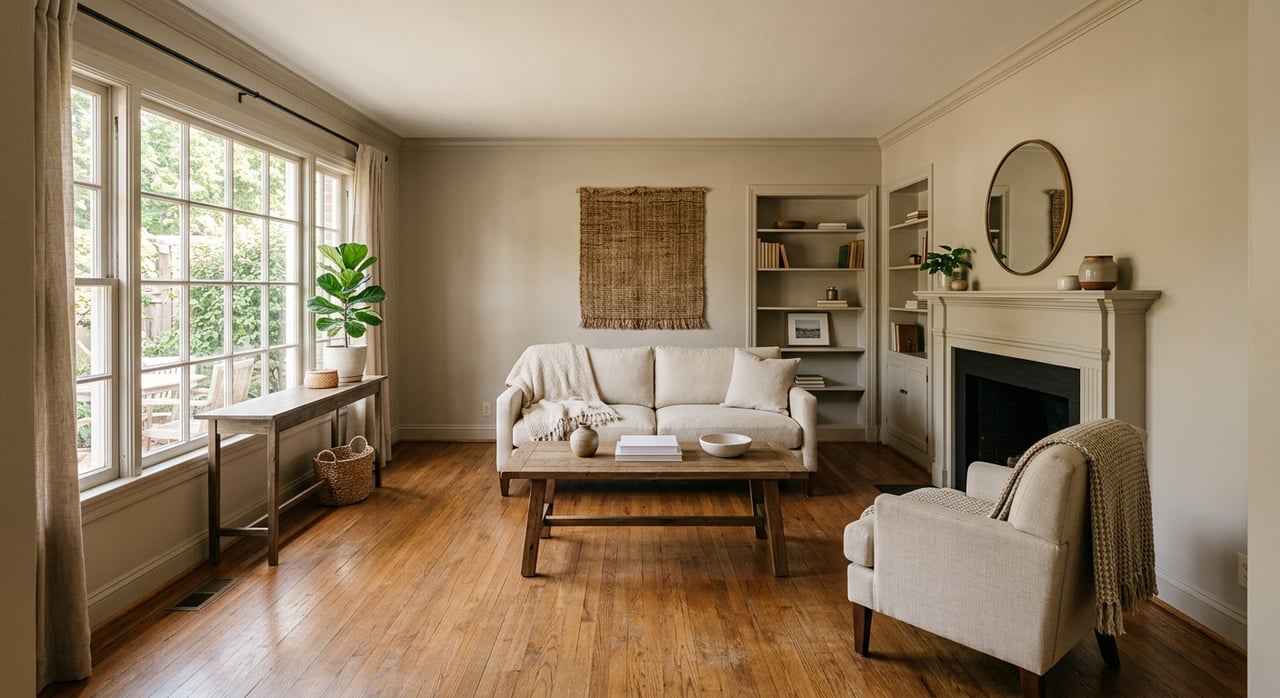
In the living room, think about space and light. In the primary bedroom, aim for calm and simplicity. In the kitchen, focus on clean surfaces, functioning fixtures, and an overall sense of care.
It is easy to assume that bigger updates will lead to a bigger sale. In many long-time homes, that is not always the best move.
A thoughtful sale is different from a full repositioning of the property. If your goal is to sell well without turning the process into a construction project, it often makes more sense to preserve the home’s character, reduce clutter, and handle the issues buyers will clearly notice.
The most worthwhile pre-listing work is usually:
These improvements help your home feel maintained without forcing you into expensive decisions that may not align with buyer preferences.
Think twice before starting:
Before you commit, ask whether the work is necessary for condition, safety, or clarity. If not, it may be better to price and market the home thoughtfully instead.
In Santa Rosa, permit rules matter. The City says a building permit is required unless a project is expressly exempted by the California Building Code. Regulated electrical, gas, mechanical, and plumbing work also requires permits.
That makes one step very important: verify the scope before hiring anyone. A project that sounds simple can trigger permit requirements, added time, and extra cost that may not improve your sale outcome in a meaningful way.
If your home is a designated landmark or located in a Preservation District, exterior work may require review. Santa Rosa’s historic preservation guidance says interior changes generally do not need Landmark Alteration Permit approval, while some exterior work may.
The City also notes that certain like-for-like maintenance can be exempt, including items such as painting, gutters, matching windows or doors, and similar reroofing. If your home has historic status or sits in an older area with preservation rules, it is wise to confirm the details before making exterior changes.
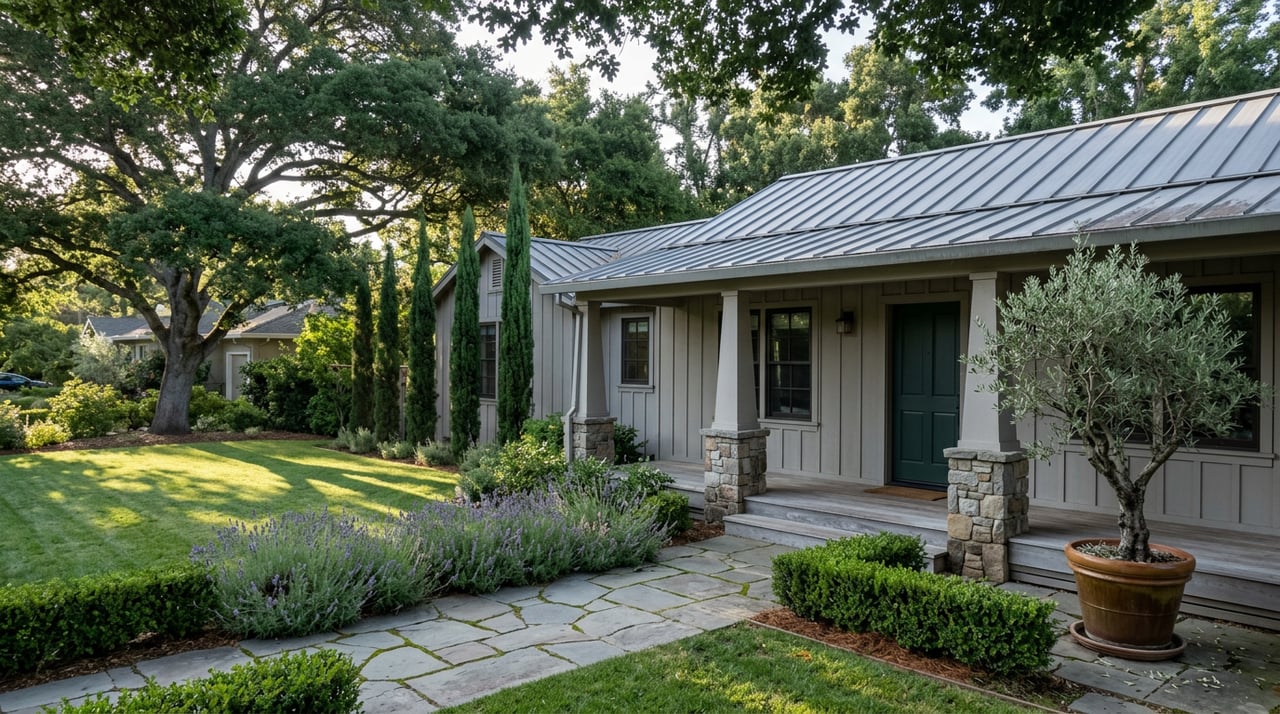
Long-time homes often have personality that buyers appreciate. The goal is not to strip that away. The goal is to help buyers see the home clearly.
A good rule of thumb is simple: preserve the character, reduce the clutter, and make the home easy to understand. That might mean removing extra furniture, editing collections, and keeping finishes consistent rather than replacing everything.
This approach often feels better emotionally too. You are honoring the home while making room for the next owner to picture their future there.
For many long-time sellers, the hardest part is not paint or repairs. It is deciding what to keep, what to give away, and what to pack.
That emotional work deserves time. NAR’s staging research supports decluttering as the most common seller-side recommendation, but that does not mean rushing through a painful purge. A phased approach is usually more manageable and more effective.
Start earlier than you think you need to. Focus on one category, room, or shelf at a time.
You can use four simple groups:
This keeps the process moving without forcing every decision at once. It also helps you avoid burnout before the listing even goes live.
In Santa Rosa, wildfire readiness is not just seasonal maintenance. It can affect how prepared your home feels to buyers and what documents you may need during the sale.
The City says embers are the reason the majority of homes ignite in wildfires. It recommends defensible space plus home hardening.
The City specifically highlights these steps close to the home:
These are practical tasks that improve presentation and address a real local concern. If you have not reviewed them recently, do that before photos, showings, and inspections begin.
Santa Rosa says AB 38 matters for some property sales. If your property is in the Wildland Urban Interface and also in a Cal Fire High or Very High Fire Severity Zone, defensible-space compliance documentation is needed for a sale.
If a compliant inspection was completed within the prior 6 months, it is valid. Homes in Moderate zones or outside the WUI are optional or not required under the City guidance. This is worth checking early so you are not scrambling once you are under contract.
One of the easiest ways to reduce stress later is to prepare your disclosure package early. California sellers are expected to provide standard disclosure paperwork, including the Real Estate Transfer Disclosure Statement, which the California Department of Real Estate says is used to describe the condition of the property before title transfers.
Natural hazard disclosures can also apply when a property is located in mapped hazard areas, including very high fire hazard zones and wildland fire-risk areas. If your home has older features, past repairs, or location-based risk factors, it helps to gather records while you still have time to organize them.
Older homes need one more check. Federal law requires sellers of pre-1978 homes to disclose known lead-based paint information and hazards, provide available records and reports, and give buyers a 10-day period to inspect or assess for lead.
That does not mean something is wrong with your home. It simply means older painted surfaces require an extra layer of disclosure and planning.
A successful long-time home sale usually comes down to doing the right work in the right order. You do not need to do everything. You need a clear plan that respects your timeline, your budget, and the story of the home.
In Santa Rosa, that often means combining practical prep, local compliance checks, careful disclosures, and pricing discipline. When those pieces come together, your home can feel inviting to buyers without losing the character that made it yours for so long.
If you are preparing for a move, downsizing, or handling a family home with a lot of history, having a calm local guide can make the process much lighter. When you are ready for a thoughtful, step-by-step plan, reach out to Ashley McSweeney for a free home valuation and consultation.
Stay up to date on the latest real estate trends.
Get assistance in determining current property value, crafting a competitive offer, writing and negotiating a contract, and much more. Contact me today.