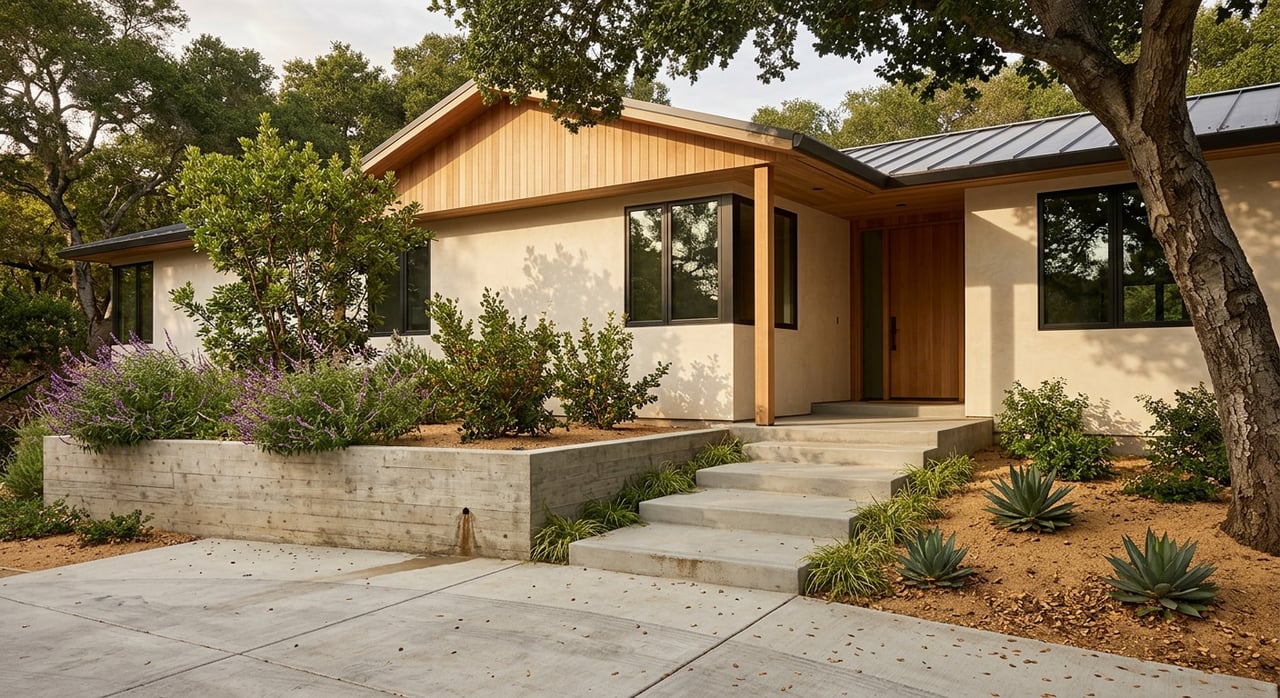
Petaluma Riverfront vs Westside Hills: Which Fits You?
June 25, 2026
June 25, 2026
If you are deciding between Petaluma’s riverfront and the westside hills, you are not just choosing a home. You are choosing a daily rhythm. Both areas sit within the same city, but the way they feel day to day can be very different. This guide will help you compare lifestyle, setting, and practical tradeoffs so you can focus on the part of Petaluma that fits you best. Let’s dive in.
Petaluma’s planning documents frame these two areas in distinct ways. The riverfront is tied closely to downtown, public access to the river, and a more urban pattern of housing, shopping, employment, and entertainment near one another.
The westside hills are described as a lower-density hillside area with large lots, rolling terrain, and substantial open land. In simple terms, that often means your day-to-day experience may feel more neighborhood-focused and less centered on downtown activity.
If you like doing more on foot, the riverfront has a clear advantage. Downtown Petaluma is described as a walkable shopping area with dozens of independent shops, boutiques, and galleries, and the district stretches from the riverfront to Keller Street.
That walkable layout can change how your week feels. A quick coffee run, a dinner out, or a short stroll by the water may be part of your normal routine rather than something you plan around.
Food and drink are a major part of the riverfront experience. Petaluma’s downtown restaurant scene is concentrated around the historic core, with riverfront dining among the options.
For some buyers, that means more spontaneity. You may find it easier to meet friends, grab a meal, or spend an evening downtown without a long drive or much advance planning.
Near the riverfront, the water is more than a backdrop. The city notes that the Petaluma River draws boaters, rowers, kayakers, photographers, bird watchers, and anglers.
The River Trail also gives pedestrians access along the river, even though the full trail is not complete yet. If you enjoy being near public waterfront space, that can be a meaningful part of daily life here.
The riverfront side of Petaluma blends outdoor access with events and downtown energy. Steamer Landing Park hosts annual events such as Rivertown Revival and the Transhumance Festival.
You also have access to places like Shollenberger Park, with its two-mile circular trail in the Petaluma Wetlands, and Denman Reach, which adds more riverfront trail access and habitat views. If you want a weekend routine built around public spaces and activity, this area supports that well.
Recent riverfront housing patterns point toward more attached and mixed-use development. Oyster Cove, for example, is planned as a publicly accessible mixed-use and residential riverfront destination with condominium buildings, attached units, and shopfront-oriented frontage on D Street.
That does not mean every home near the river looks the same. It does suggest that this area is evolving in a way that supports a more connected, urban-style environment.
The westside hills offer a different kind of day-to-day experience. Petaluma’s General Plan describes West Hills as a 411-acre subarea with rolling hills, large lots, lower housing density, and substantial open land.
If your ideal home life includes a little more breathing room, this area may feel more aligned. The setting is shaped less by storefronts and more by terrain, lot size, and residential streets.
Many westside neighborhoods are organized more around parks than shopping streets. Petaluma identifies several west-side park and open-space areas, including Oak Hill Park, Wickersham Park, Westridge Park and Open Space, and Westhaven Park and Open Space.
These parks serve different uses. Oak Hill includes a playground, dog park, and pétanque court. Wickersham is known for flowers, trees, and open grass. Westridge offers trails, a playground, and a community garden. Westhaven includes rolling hills and trail links to Helen Putnam Regional Park.
If you recharge outside, the westside hills may stand out. In addition to neighborhood parks, the city notes access to larger outdoor destinations such as Lafferty Ranch on Sonoma Mountain, where guided hikes pass through oak and bay groves with panoramic views.
The city also notes that Helen Putnam Regional Park and Tolay Lake Regional Park are both within a few miles of city limits. That broader recreation network helps define the westside lifestyle.
Based on the city’s planning language, the westside hills generally read as calmer and more residential than the riverfront. The area is associated with larger lots, low density, open land, and trail-linked parks rather than a downtown retail core.
That can appeal to buyers who want their home environment to feel quieter or more tucked away, even while staying within Petaluma.
The contrast between these areas also shows up in the built environment. Downtown includes a historic commercial district covering about 23 acres with 96 contributing buildings and a streetscape that dates back to the mid-19th century.
On the west and northwest side, the Oakhill-Brewster Historic District includes homes dating from the 1850s through the 1980s, with a mix of modest, elaborate, and mansion-scale houses. As you move farther from the core, neighborhoods generally become less dense.
For you as a buyer, that means the choice is not only about amenities. It is also about the kind of streets, lot patterns, and architectural setting you want to live with every day.
The riverfront tends to fit buyers who want:
If your ideal week includes walking to dinner, spending time near the water, and staying close to the city’s most active core, the riverfront may feel like a natural match.
The westside hills often fit buyers who want:
If you picture home as a place with more separation from downtown activity, the westside hills may offer the rhythm you are after.
The main difference comes down to rhythm. The riverfront is shaped by walkable blocks, downtown activity, and an evolving mixed-use waterfront.
The westside hills are shaped by larger lots, rolling terrain, and recreation at the edge of the neighborhood. Neither is better in every case. The right choice depends on whether you want your daily life to revolve more around access and activity or more around space and a quieter residential setting.
If you are comparing homes in Petaluma and want help narrowing down the right fit, Ashley McSweeney can help you evaluate neighborhoods, lifestyle tradeoffs, and current opportunities with clear local guidance.
Stay up to date on the latest real estate trends.
Get assistance in determining current property value, crafting a competitive offer, writing and negotiating a contract, and much more. Contact me today.